

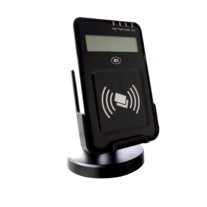
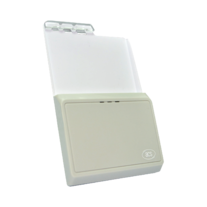
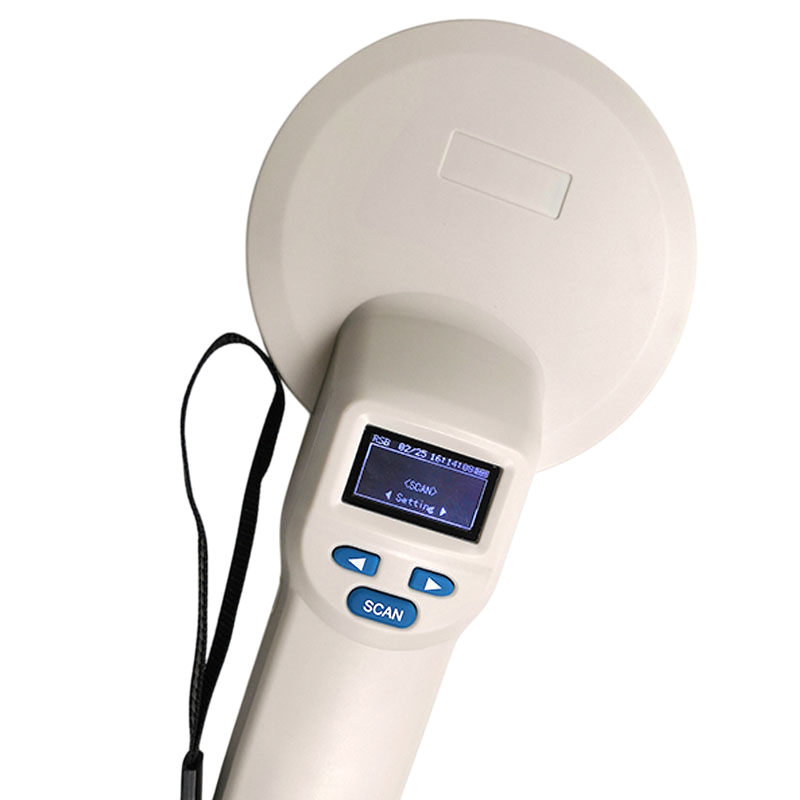
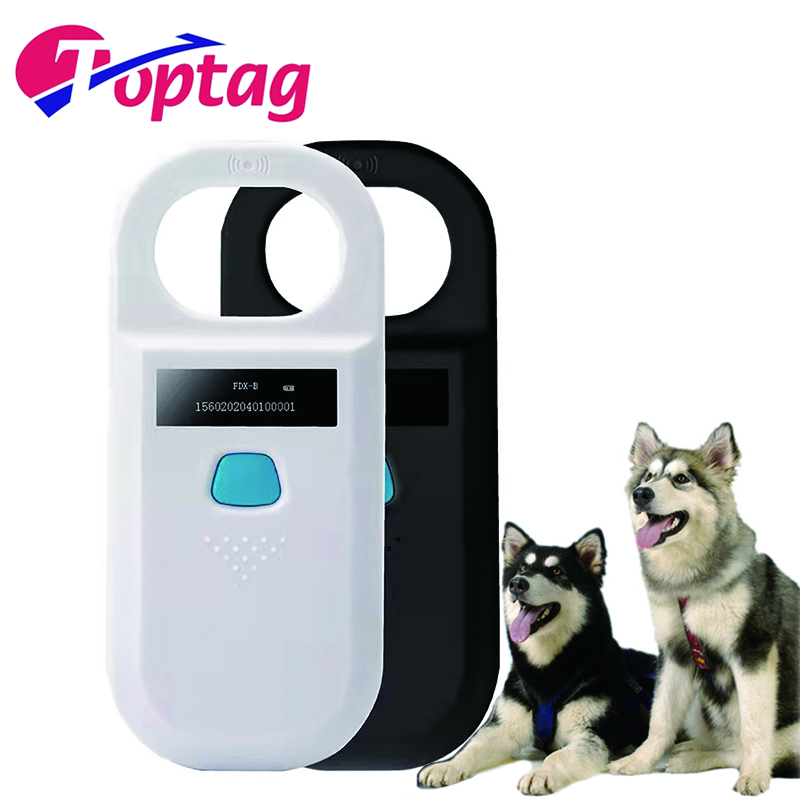
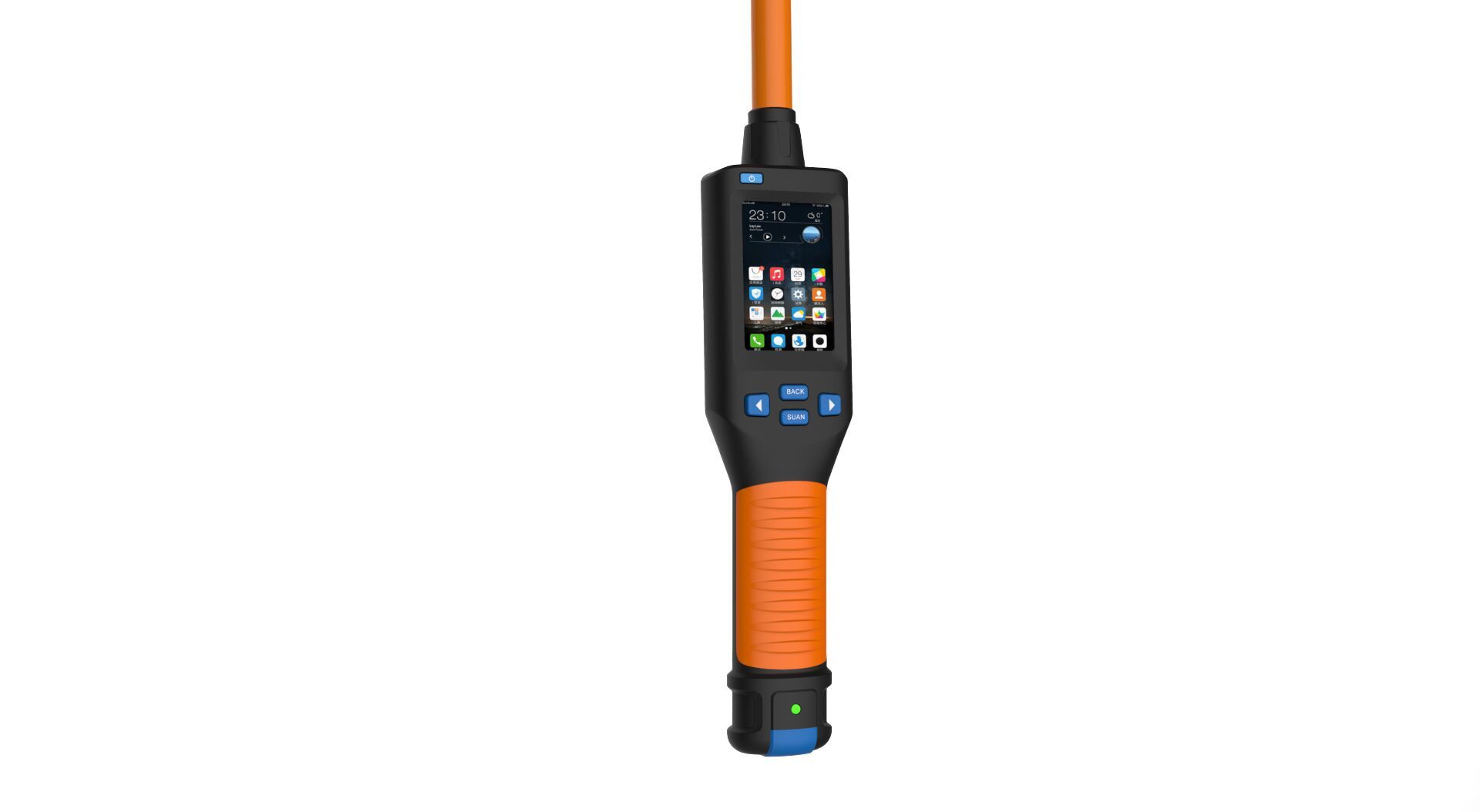
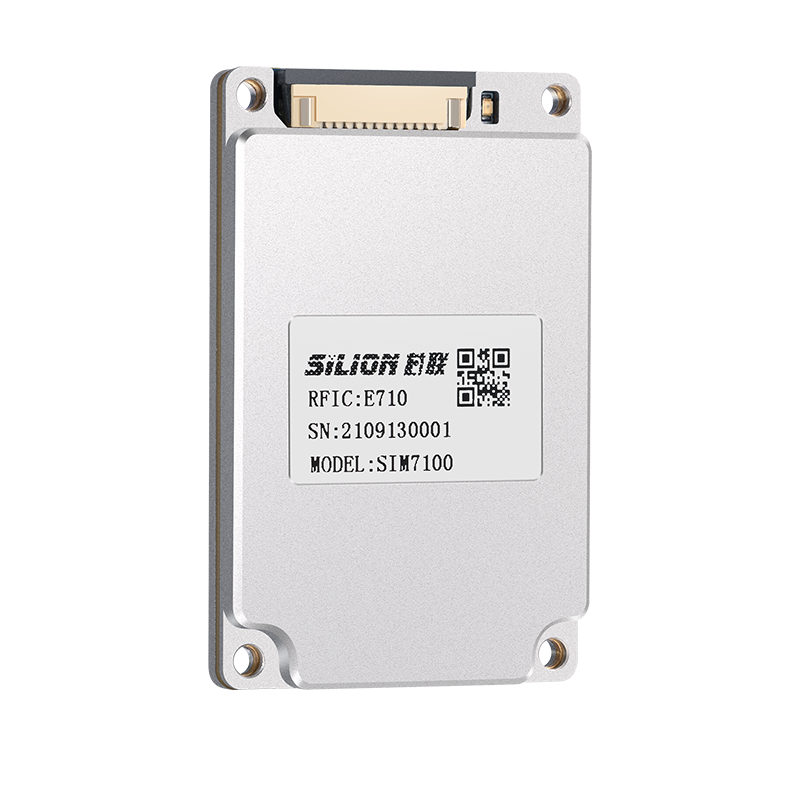
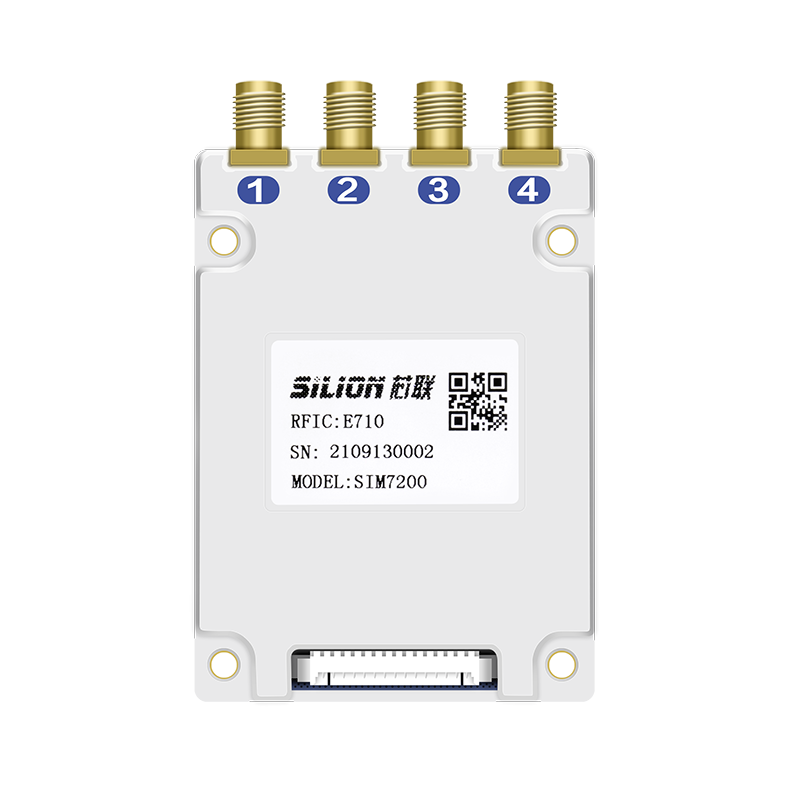
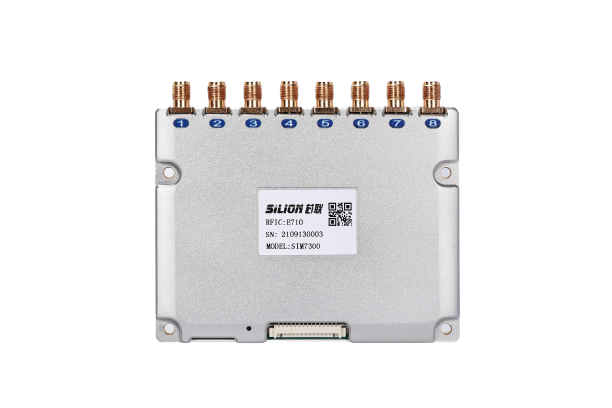
HF & UHF RFID Reader Modules
Choosing the right reader often decides whether an RFID rollout runs smoothly or falls short. Whether you're tracking pallets through a warehouse, tagging livestock, or building identification into a custom device, the reader you pick sets an upper limit for what your system can do. This page covers what you need to know about HF RFID Reader technology and its UHF counterpart, so you can match the right hardware to the job.
What Is an HF RFID Reader?
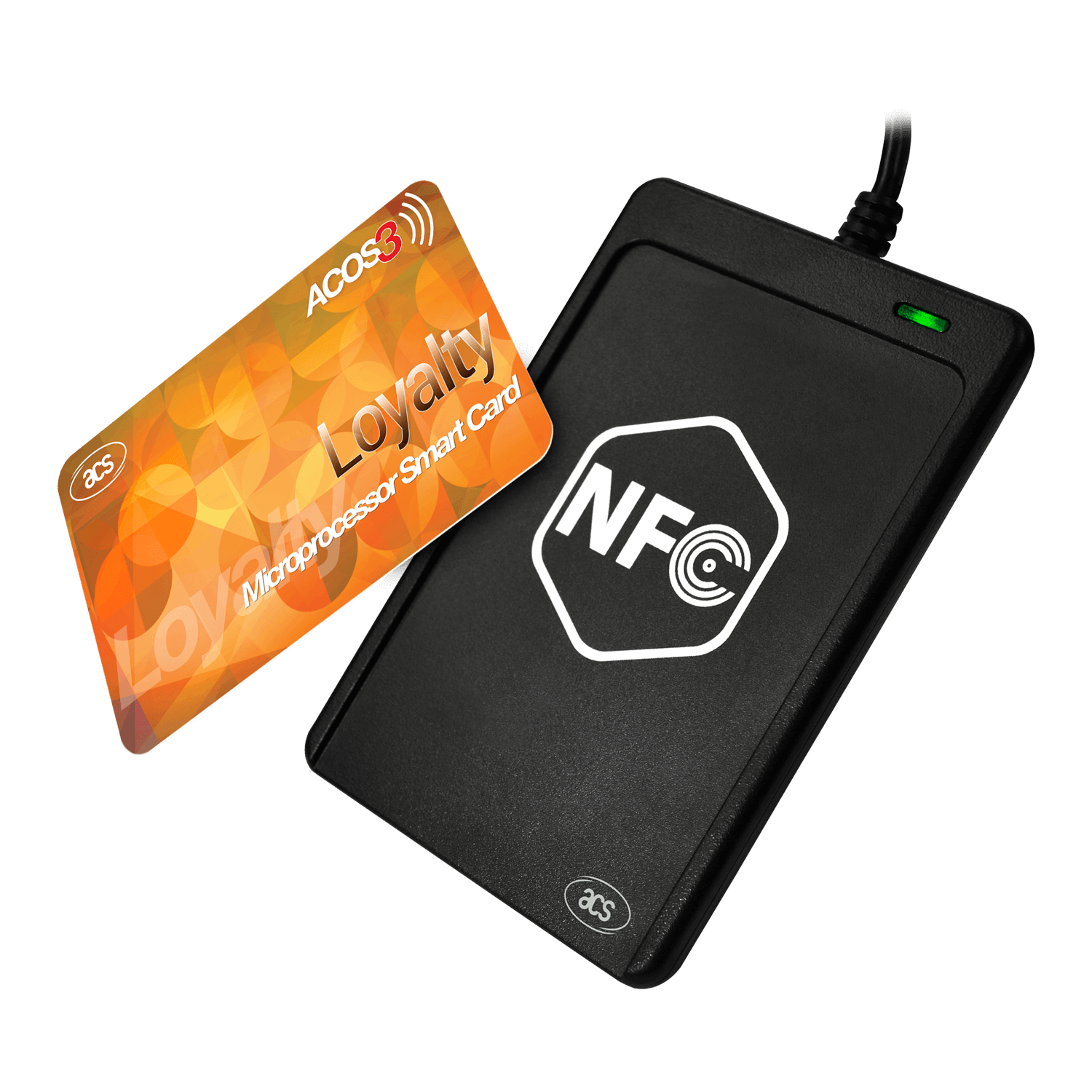
An HF RFID Reader operates at 13.56 MHz and communicates with high-frequency tags over short to medium distances. It works by generating a magnetic field through its antenna coil; when a compatible tag enters that field, the tag draws power from it and sends back its stored data. No battery is needed on the tag side, which keeps costs low and tag life essentially unlimited.
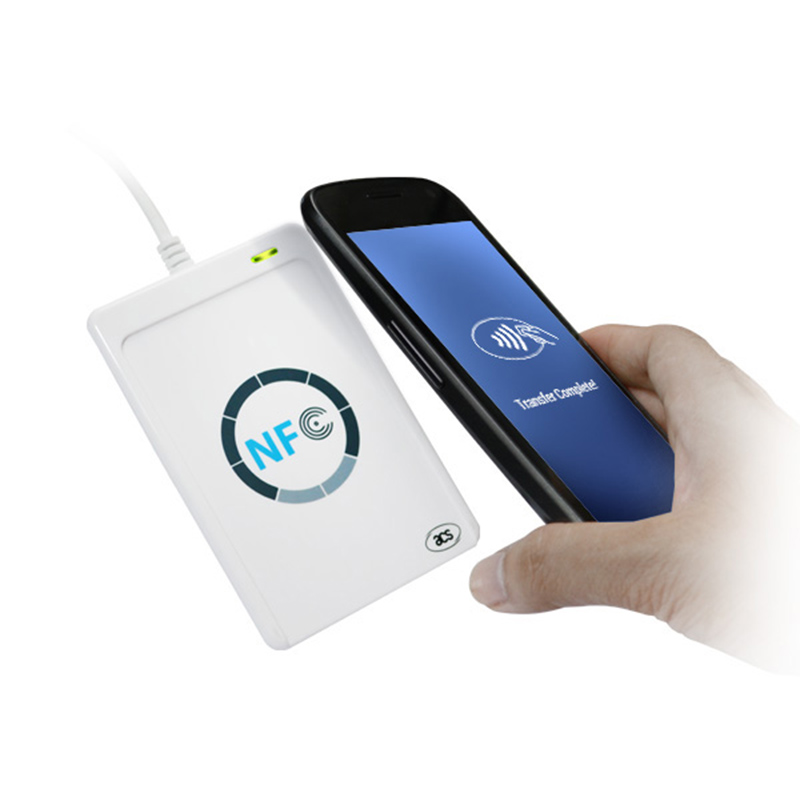
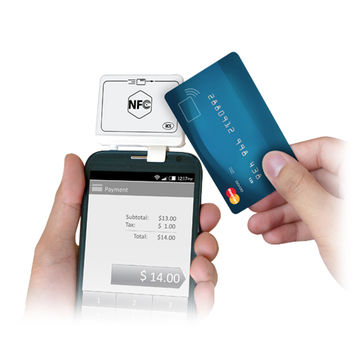
As an HF RFID reader technology, this frequency band is the backbone of systems people already use daily, including NFC payments, transit cards, and access badges. Because the read distance is naturally limited, HF systems suit applications where you want deliberate, one-at-a-time scanning rather than picking up every tag in a room.
How an HF RFID Reader Module Works
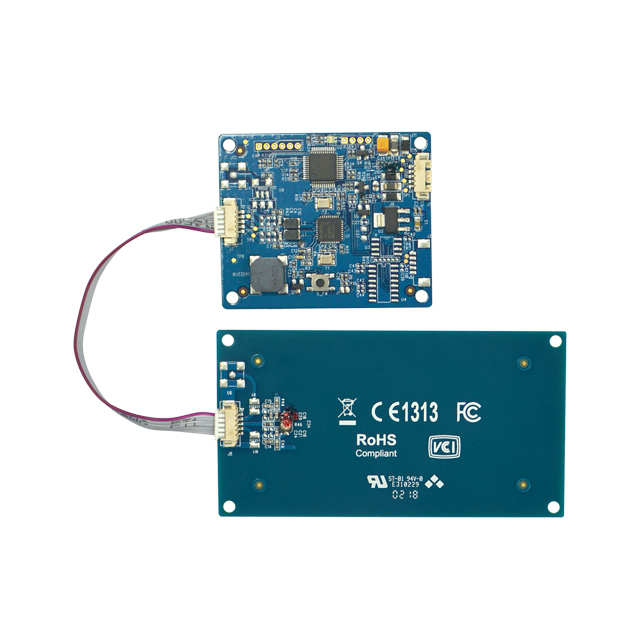
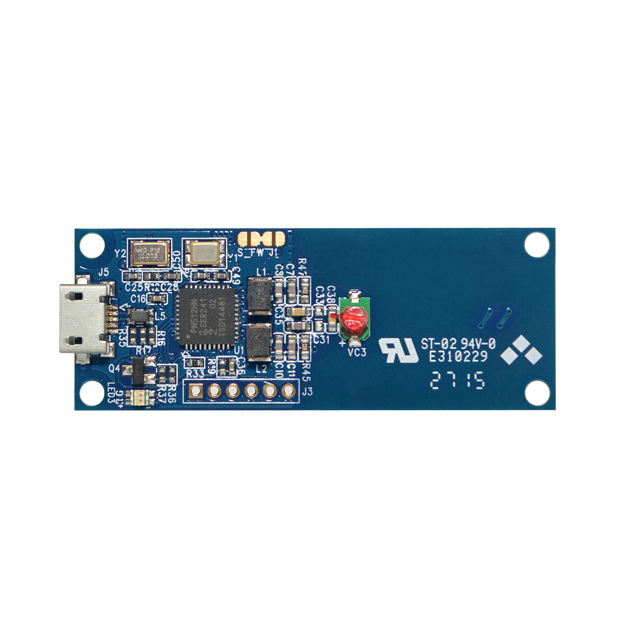
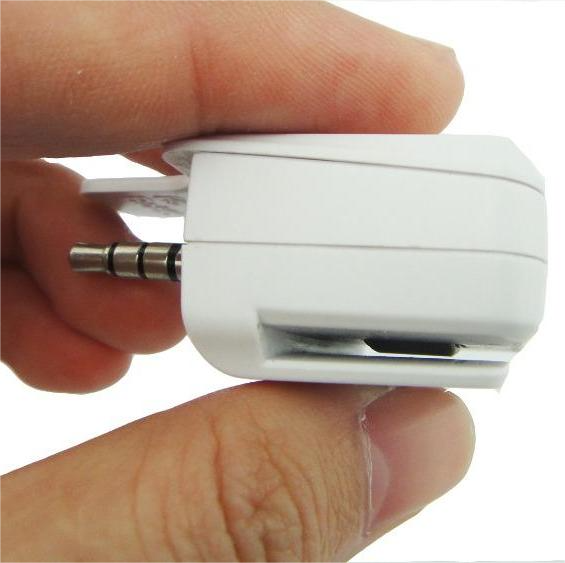
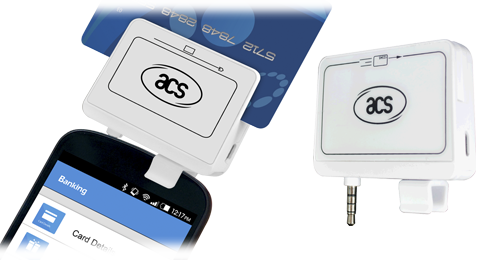
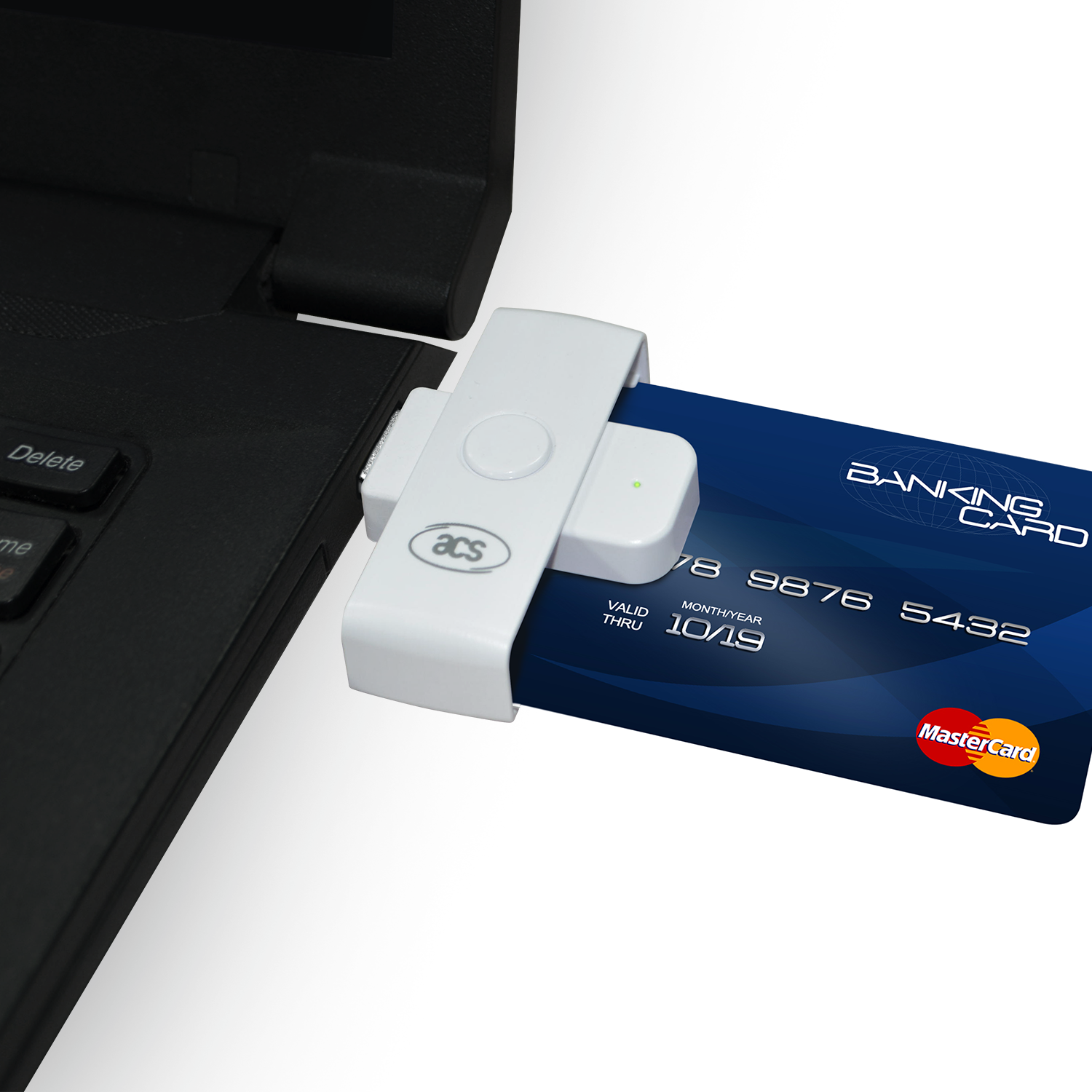
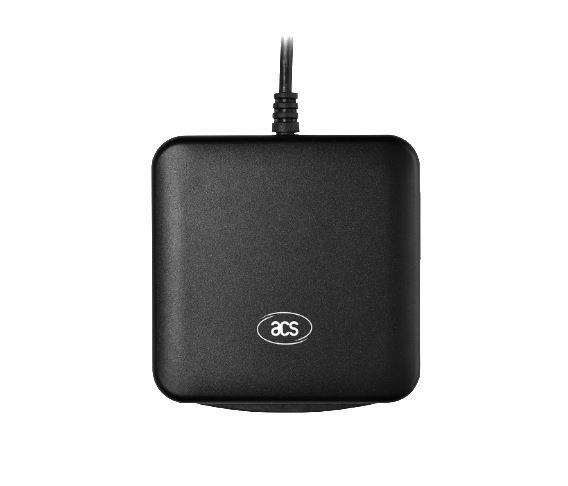
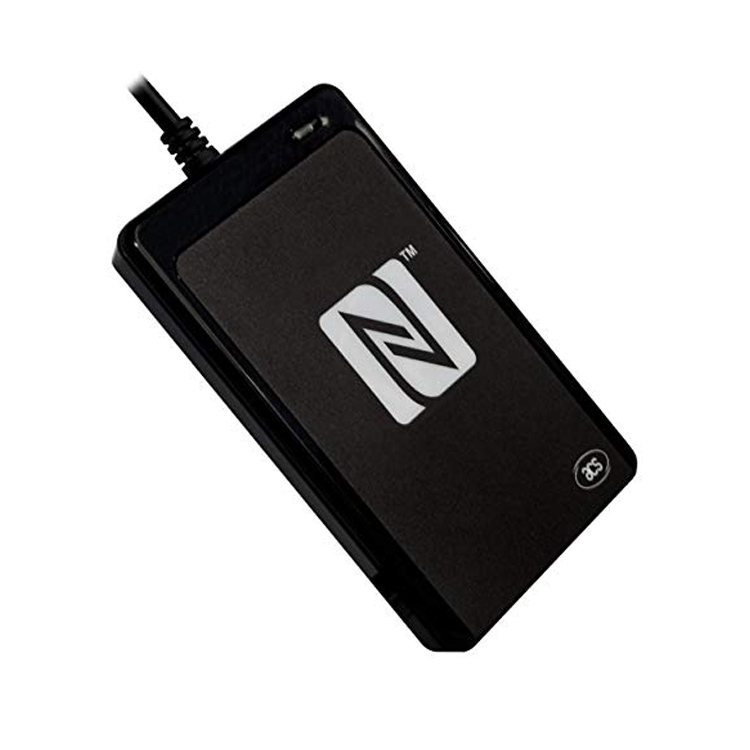
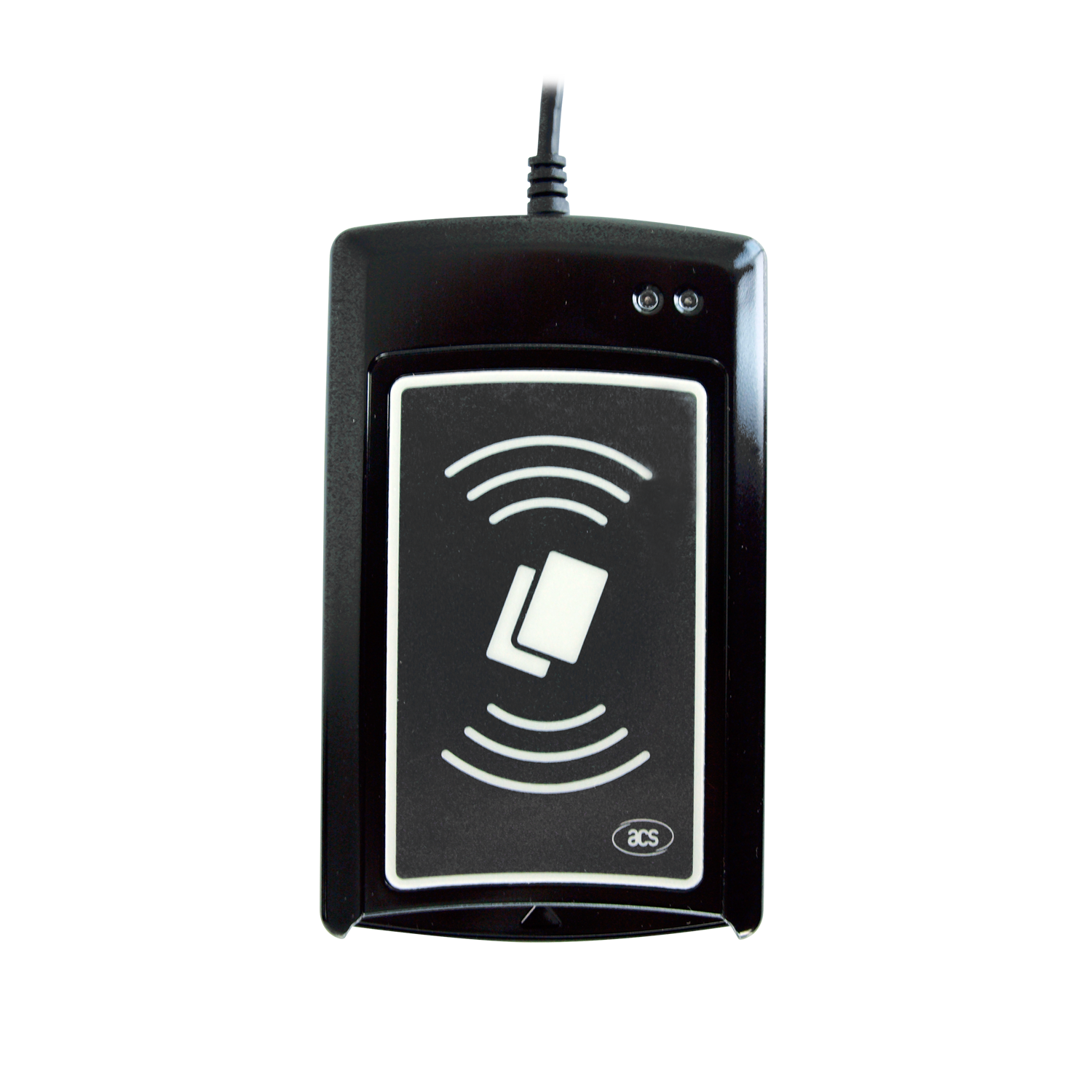
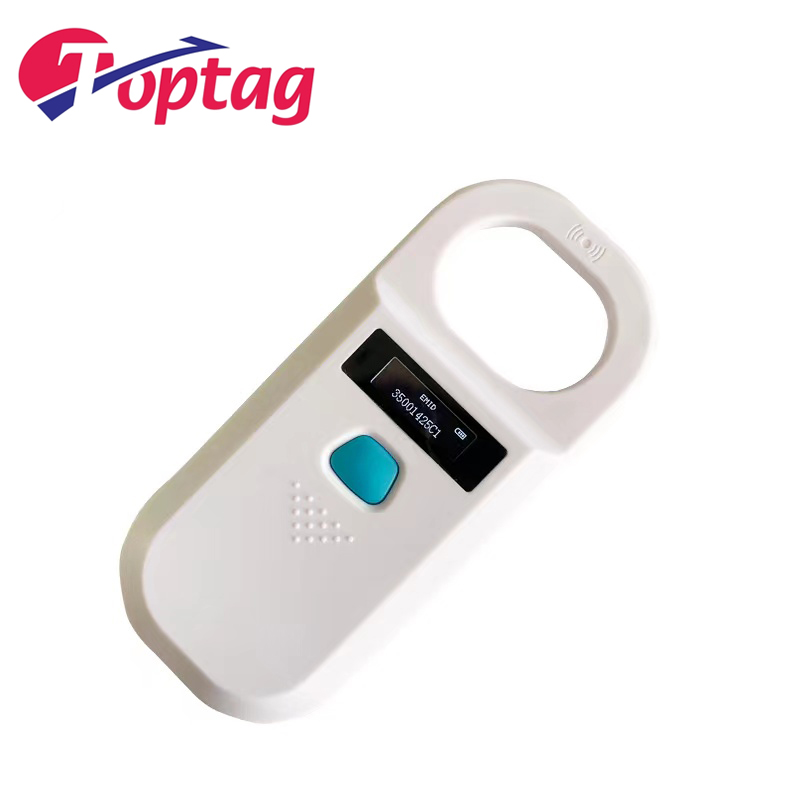
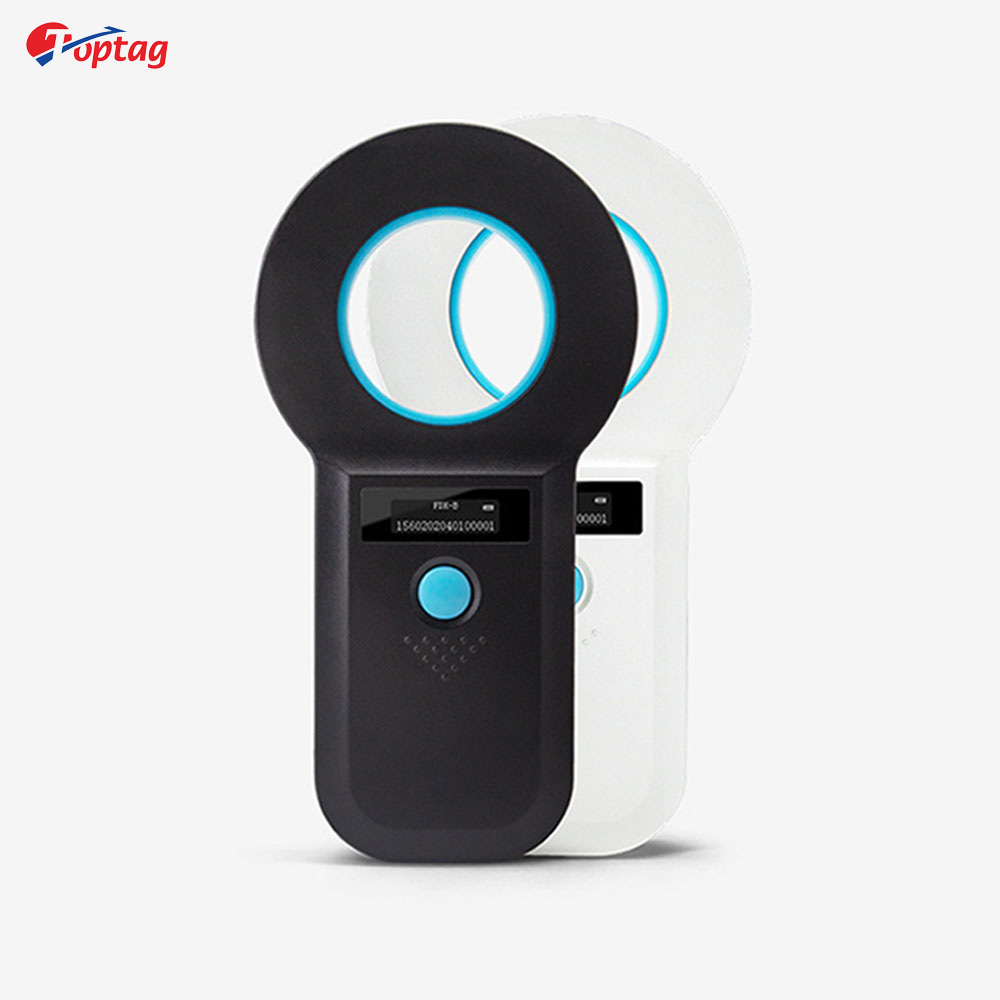
A module RFID unit is made up of an RF front end, a microcontroller, and firmware that handles the communication protocol between the tag and the host device. When integrated as an HF RFID reader module, the unit typically connects through USB or a similar interface, allowing it to be embedded into kiosks, terminals, handheld scanners, or industrial equipment.
Here's the general flow:
- The reader powers up its antenna, creating a magnetic field.
- A tag that comes into range is powered up and transmits its ID or the data that it's storing.
- The reader decodes that signal and passes it to whatever system it's connected to.
- The host application processes the data — for example, logging an entry or updating a database.
All of this happens in milliseconds, which is why HF readers work so well in fast-paced settings such as retail checkouts or access gates.
Key Features of Our HF RFID Reader Modules
Our HF RFID Reader modules are designed for developers and system integrators requiring high reliability and usability without a large learning effort. Features include:
- Small size for embedded systems integration or other solutions
- Support for popular standards, like ISO 14443 and NFC tags
- Quick anti-collision for reading despite the presence of other tags or metallic objects
- Several communication interfaces available, such as USB and serial ports
- Low power consumption, suitable for mobile solutions powered by batteries
- Simple firmware integration into the software stack
Thanks to such capabilities, it becomes possible to deploy an effective HF RFID Reader solution in any amount from prototypes to thousands of pieces.
HF RFID Read Range Explained
HF RFID read range is typically measured in centimeters rather than meters. Most HF tags and readers achieve reliable reads between 2 cm and 10 cm, though this varies based on antenna size, tag design, and the material the tag is mounted on. Larger antennas can extend that range somewhat, but HF will never match the distances achievable with UHF systems.
Shorter ranges can sometimes be seen as an asset rather than a disadvantage. In applications like access control and payments, the reader should read the card that is held in front of the reader, and not all the cards that people have in their pockets while walking past the reader.
HF RFID Reader Long Range Solutions
While HF is inherently a short-range technology, certain configurations can push performance further for applications that need it. The HF RFID reader long range is designed using an RF circuit together with a large antenna that will increase the operational distance beyond the normal few centimeters. This is useful in situations where there will be use of a gate-type checkpoint, and the tags will be moving past at a certain distance from the reader.
Even optimized HF long-range setups won't reach the multi-meter distances that UHF offers. If your application genuinely needs several meters of read distance, a UHF solution is usually the more practical route.
HF RFID Reader vs UHF RFID Reader Module
These two technologies solve different problems, and understanding the distinction avoids costly mismatches:
| Factor | HF Reader | UHF Reader Module |
|---|---|---|
| Frequency | 13.56 MHz | 860–960 MHz |
| Typical Read Range | A few centimeters | Several meters |
| Tag Reading Capability | Usually reads one tag at a time | Reads multiple tags simultaneously (bulk reading) |
| Common Applications | Contactless payments, access control, NFC systems | Warehousing, logistics, inventory management, asset tracking |
| Performance Around Metal & Liquids | Less affected by metal and liquids | More susceptible to interference from metal and liquids |
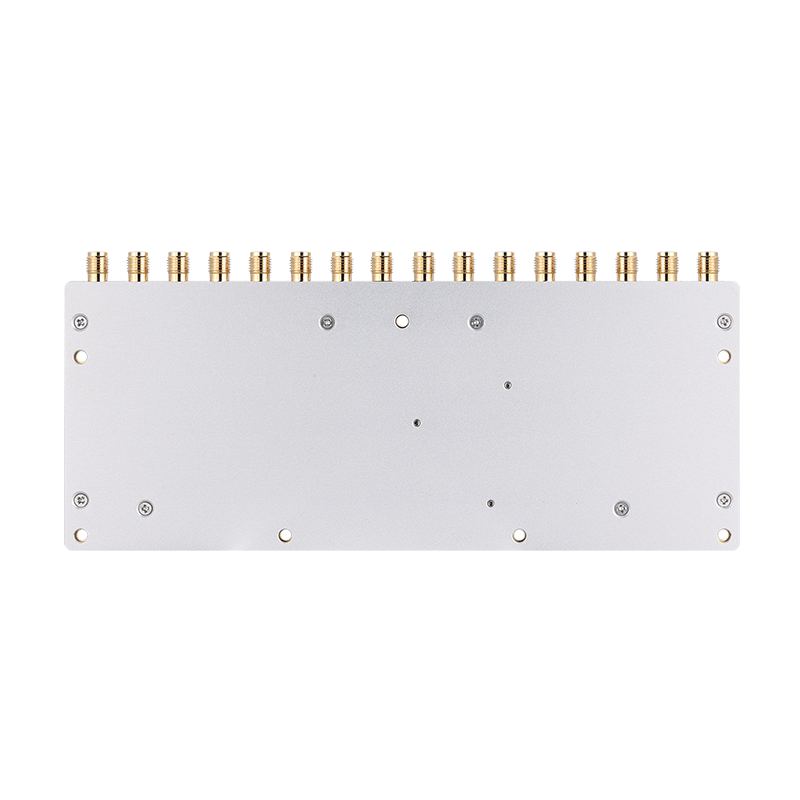
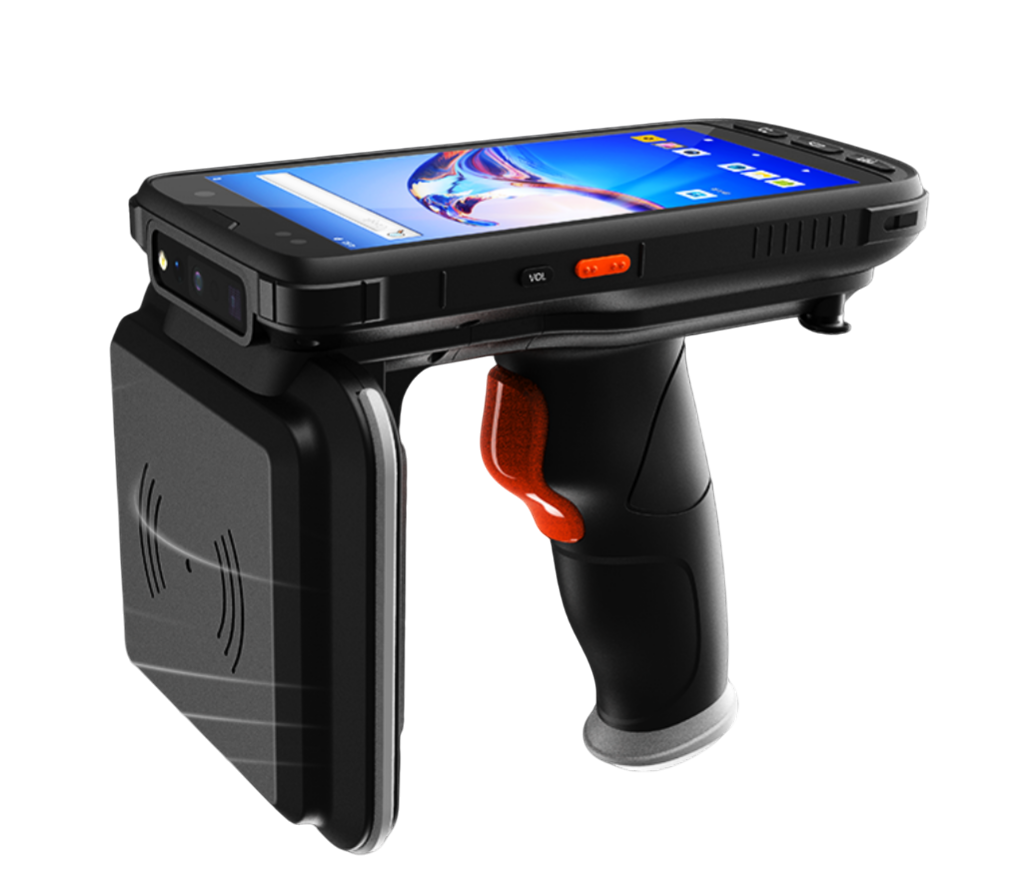
A UHF RFID reader module is the better fit when you need to scan large volumes of tags quickly, such as reading an entire pallet of goods as it passes through a dock door. HF remains the stronger choice for close-proximity, high-security, or one-to-one identification tasks. Many businesses end up deploying both technologies side by side, each handling the part of the workflow it suits best.
Fixed UHF RFID Reader Options for Industrial Applications
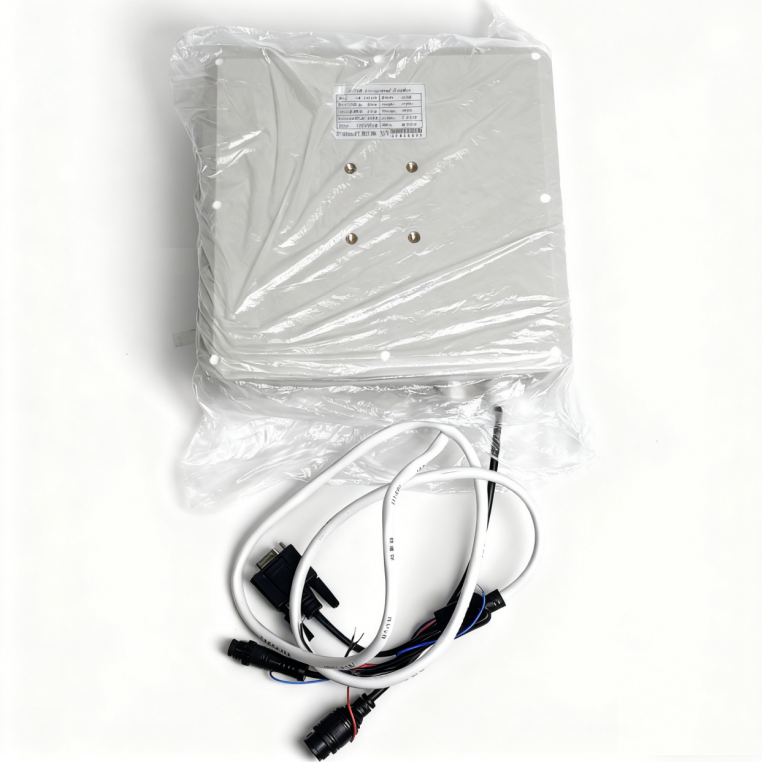
Fixed UHF RFID readers are usually installed at doorways, conveyor belts or checkpoints that tagged products need to go through automatically. Fixed readers do not require human intervention to operate continuously because they work on a 24/7 basis unlike hand-held readers.
All the UHF RFID fixed readers provided by us are durable enough, have robust housing along with reliable long-range antennas, which can read several tags simultaneously, even at line speeds. This type of hardware is typically employed for dock door reading, production line management, and identification of assets upon entering the premises.
For those who have limited budgets to spend on UHF RFID readers, we have an economical solution in the form of cheap UHF RFID reader modules, which retain all the essential features of our UHF RFID readers.
Applications of HF & UHF RFID Reader Modules
Retail & Inventory Management
Retailers use both HF and UHF readers to speed up stock counts, reduce shrinkage, and improve checkout accuracy. UHF is especially common for scanning RFID clothing tags in bulk during inventory audits, cutting a process that once took hours down to minutes.
Livestock & Agriculture
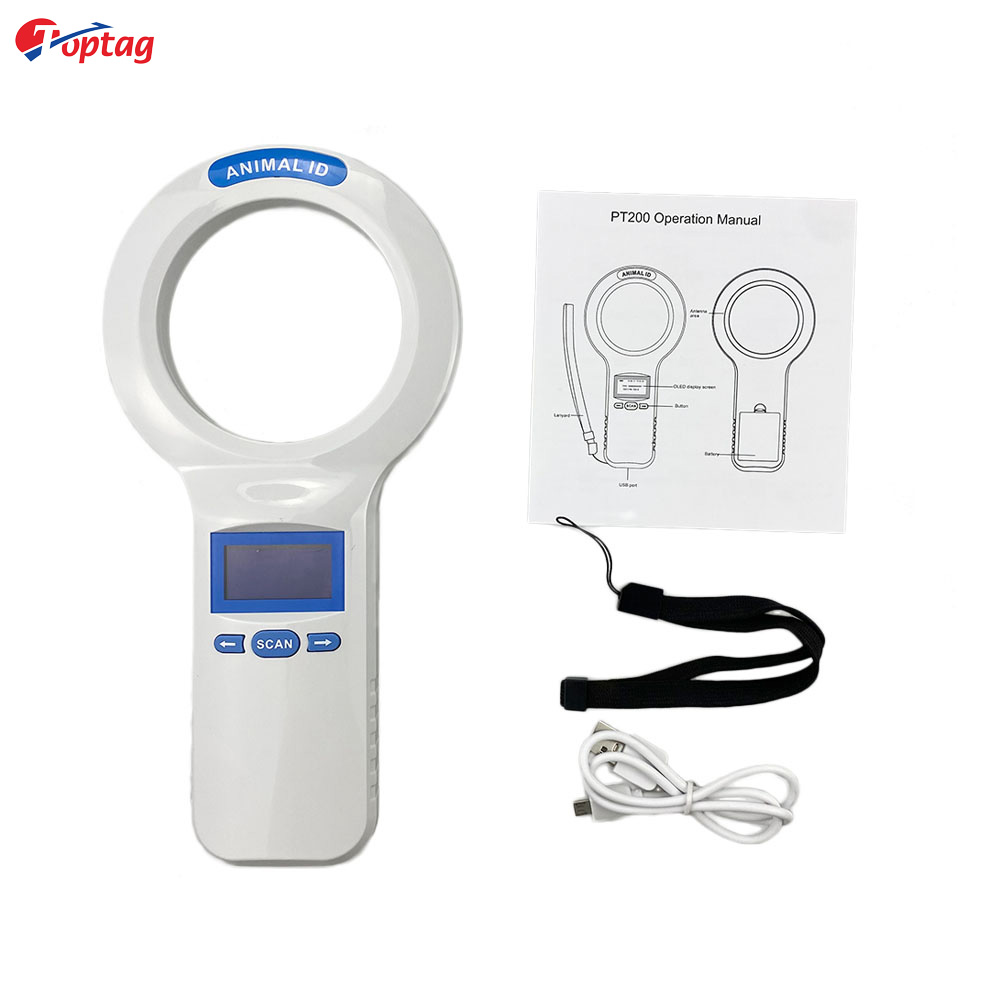
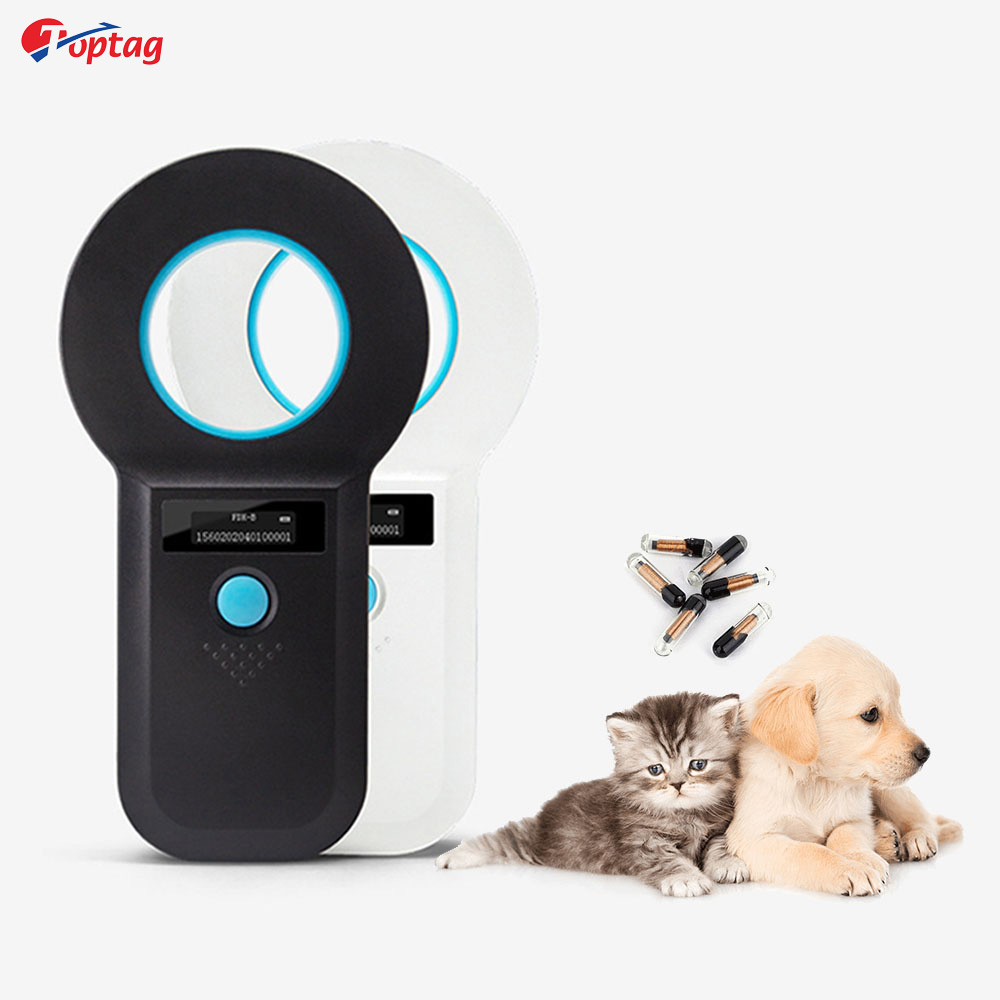
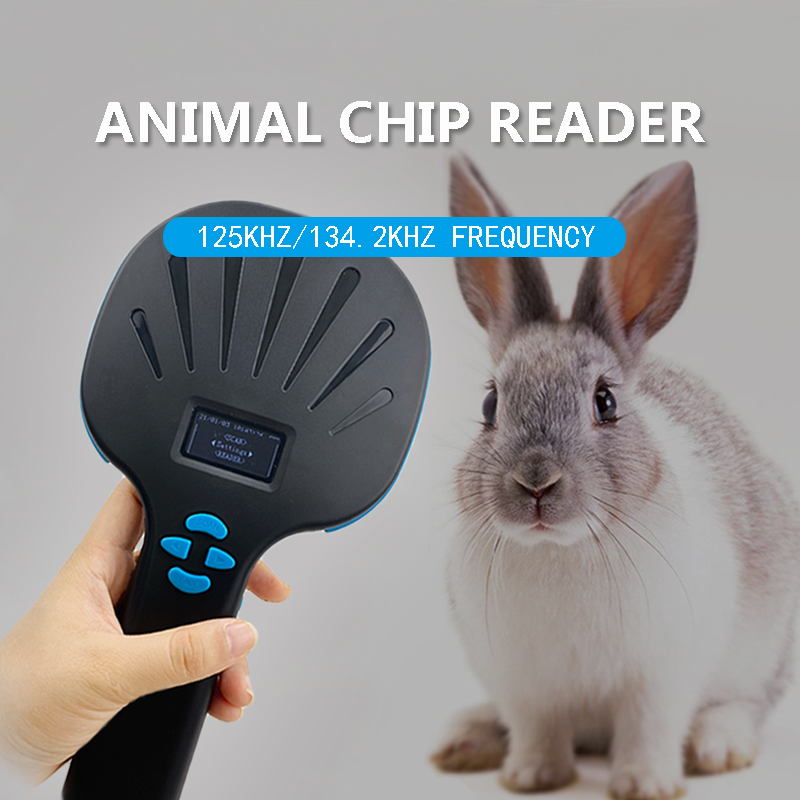
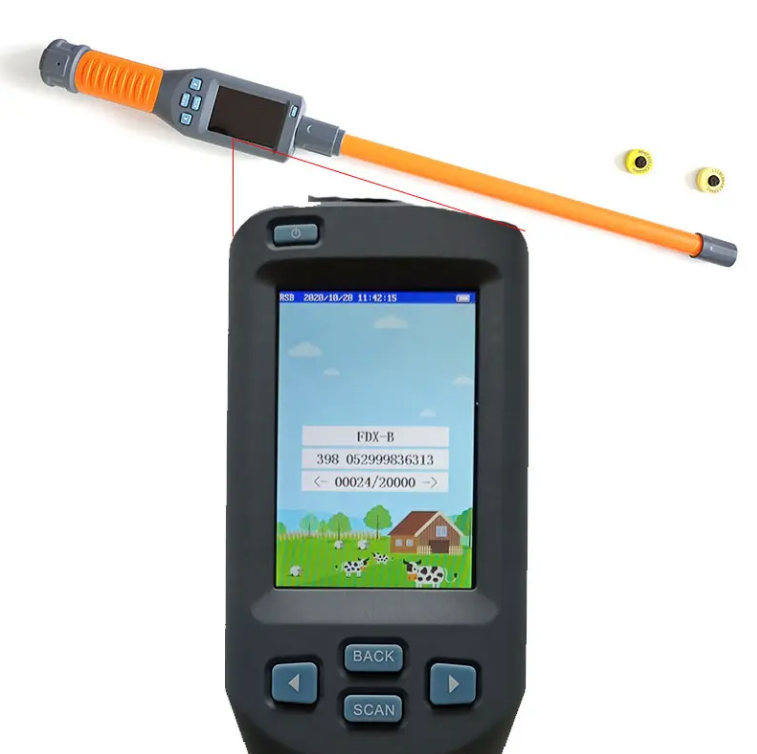
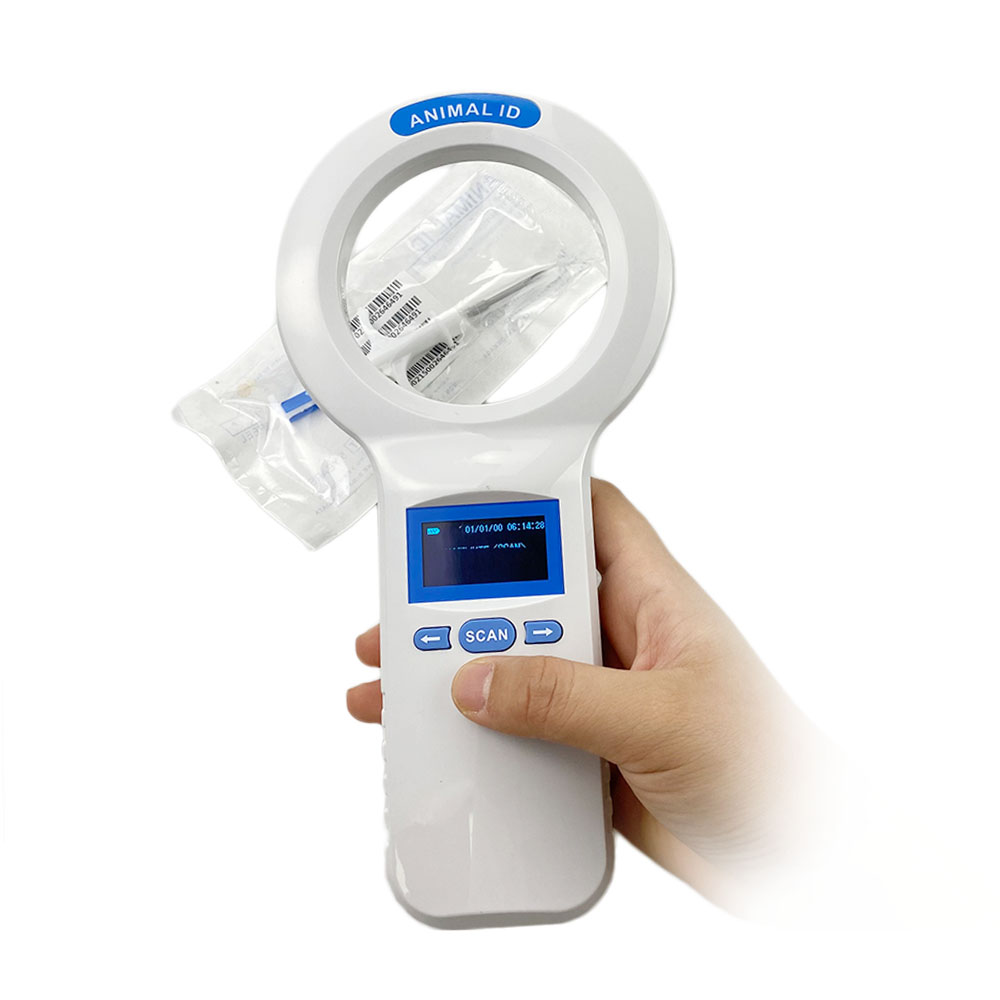
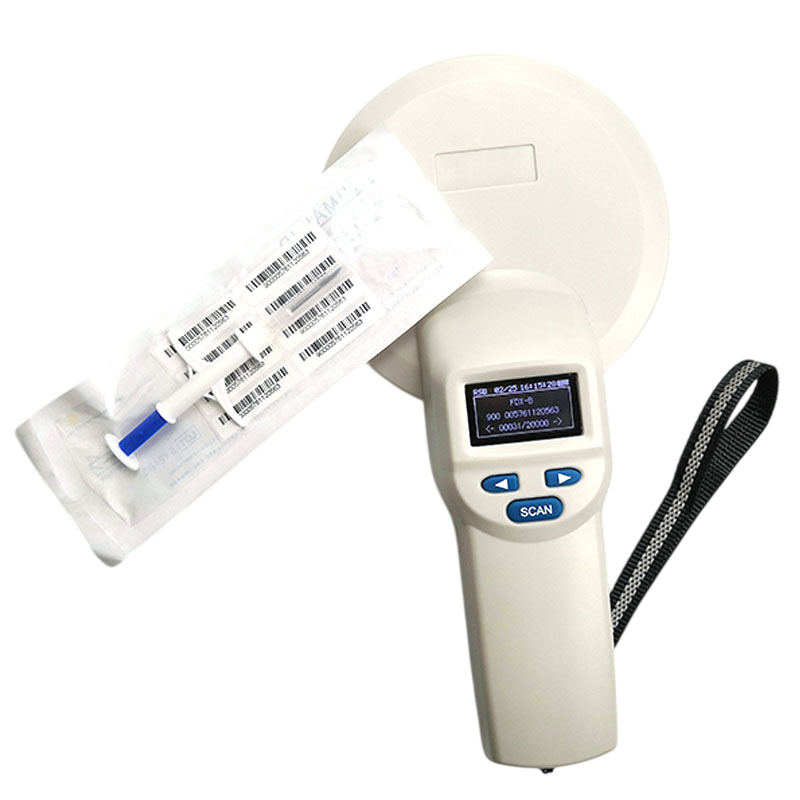
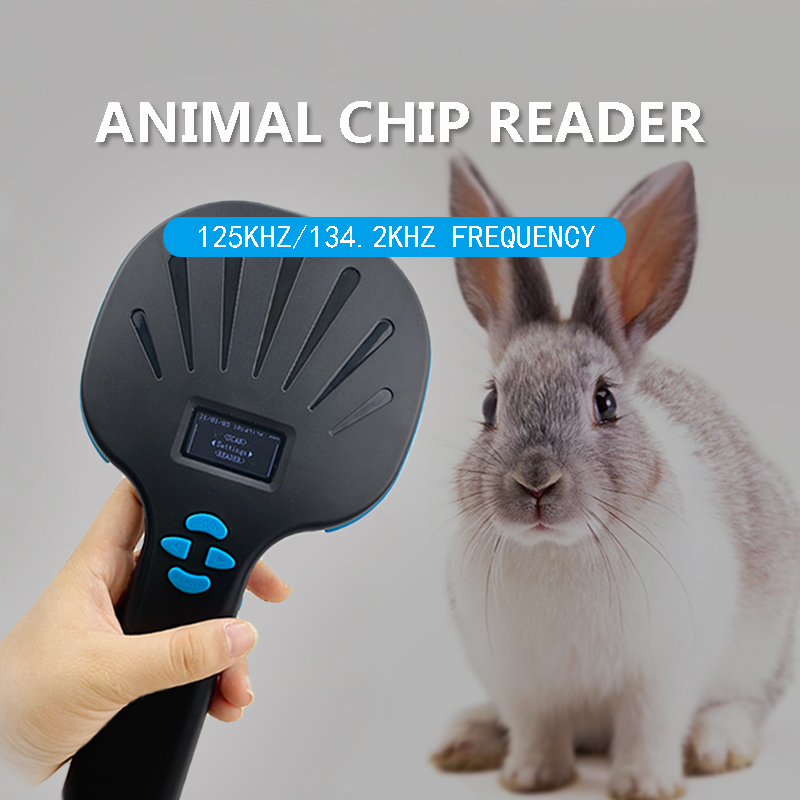
Farms and ranches rely on HF readers to scan an RFID animal tag for breeding records, vaccination history, and herd movement tracking. The short, deliberate read range works well here since animals are typically scanned one at a time.
Access Control & Smart Identification
From office badges to secure facility entry points, HF technology remains the standard for identity verification, where a controlled, close-range read is the safer design choice.
Manufacturing & Asset Tracking
In the manufacturing process, the reader follows components as well as the products throughout the whole process to ensure product quality and avoid mislabeling.
Warehousing & Logistics
A fixed UHF reader placed at the entry and exit doors provides visibility on the inventory levels in real time and avoids unnecessary counting.
How to Choose the Right RFID Reader Module
A few practical questions narrow down your options quickly:
- How far do tags need to be read from? Centimeters point to HF; meters point to UHF.
- Are you reading one tag at a time or many at once? Bulk scanning favors UHF's anti-collision capabilities.
- What's the operating environment? Metal, liquids, and outdoor conditions affect antenna and housing choices.
- Does the reader need to integrate into existing hardware? Check interface compatibility, such as USB, early.
- What's the budget per unit? Volume deployments often justify a more economical module without sacrificing reliability.
Getting these details right before purchasing saves time and unnecessary cost down the line.
Why Choose Top Tag for RFID Reader Modules
Top Tag has designed and manufactured RFID hardware since 2008, with engineering teams in Hong Kong and Shenzhen supporting both stock products and fully customized solutions. Beyond selling reader modules, our team provides technical consulting to help you select the right hardware for your specific use case — not just the most expensive option on the shelf. From HF modules for tight-space embedded designs to rugged fixed UHF readers built for industrial floors, every product is backed by real manufacturing experience and ongoing support.
Frequently Asked Questions
What is the difference between an HF RFID reader and a UHF RFID reader?
HF readers operate at 13.56 MHz with short ranges suited to close-proximity work like payments and access control. UHF readers operate at 860–960 MHz, offering longer range and the ability to read many tags at once — better for logistics and inventory work.
What is the typical read range of an HF RFID reader module?
Most HF modules read reliably between 2 cm and 10 cm, depending on antenna size and tag type.
How do I choose the right HF RFID reader module for my application?
Consider your required read distance, how many tags need scanning at once, the operating environment, and how the reader connects to your existing system.
Can an HF RFID reader module be integrated into custom devices?
Yes.
Which RFID tag standards are supported by readers?
Common standards include ISO 14443, ISO 11784/5, and ISO 18092, along with NFC tag types, depending on the specific model.
Can one RFID reader read both HF and UHF tags?
Generally no — HF and UHF need separate antennas and RF circuitry, so most systems use dedicated readers for each band.
What factors affect the reading performance of an RFID reader?
Antenna orientation, tag material and placement, nearby metal or liquid, RF interference, and the reader's power settings all play a role.
Are RFID reader modules suitable for industrial environments?
Yes. Many models, particularly fixed UHF units, use rugged housings and stable antennas built for dust, temperature swings, and continuous operation.
Which industries commonly use HF and UHF RFID reader modules?
Retail, logistics, manufacturing, agriculture, healthcare, and access control are among the sectors relying on both technologies.
Can UHF fixed RFID readers read multiple tags simultaneously?
Yes. UHF fixed readers use anti-collision protocols to process dozens of tags within range at once, a major advantage for bulk scanning.