

RFID Animal Tags & RFID Tag Readers
Keeping track of livestock used to mean paper records, guesswork, and a lot of squinting at faded ear notches. That's not how modern farms operate anymore. In today’s world, each animal at a farm should have a machine-readable ID chip that will keep the information about the animal accurate right from birth until the time of its sale. Whether you have a small family-owned farm or a large breeding facility, RFID animal tags can be of great help to you.
What Is an RFID Animal Tag?
It's a small electronic identifier attached to or implanted in an animal. The RFID animal tag contains a chip where a unique ID number is stored as well as other information. Once this tag is detected by a compatible reader, the communication happens wirelessly.
Unlike printed ear tags that rely on someone reading a number by eye, this kind of RFID animal tag can be scanned in seconds, even in a crowded pen or a moving herd. There's no battery to charge and no line-of-sight requirement — the reader simply needs to be within range of the chip's frequency.
Benefits of Animal RFID Tags for Livestock Management
Farms that switch to electronic livestock identification usually notice the difference within the first few weeks. Some of the practical advantages include:
- Faster processing – Scan dozens of animals in the time it would take to manually check a handful.
- Fewer errors – There are no chances of duplicated or wrongly read numbers.
- Improved records keeping – Information about health, breeding, and feeds can be associated with a particular animal’s identifier, thus simplifying the process of auditing or veterinary examination.
- Disease management – Fast identification will help in isolating sick animals and tracing their contact history.
- Regulatory requirements – Identification by means of a unique identifier is now obligatory in many areas when transporting cattle, sheep, and goats.
- Long-term value – A well-made tag can last a decade, so the upfront cost spreads across the animal's productive life.
Types of Animal RFID Tags
Different animals and management styles call for different tag formats. Here are the three most common types.
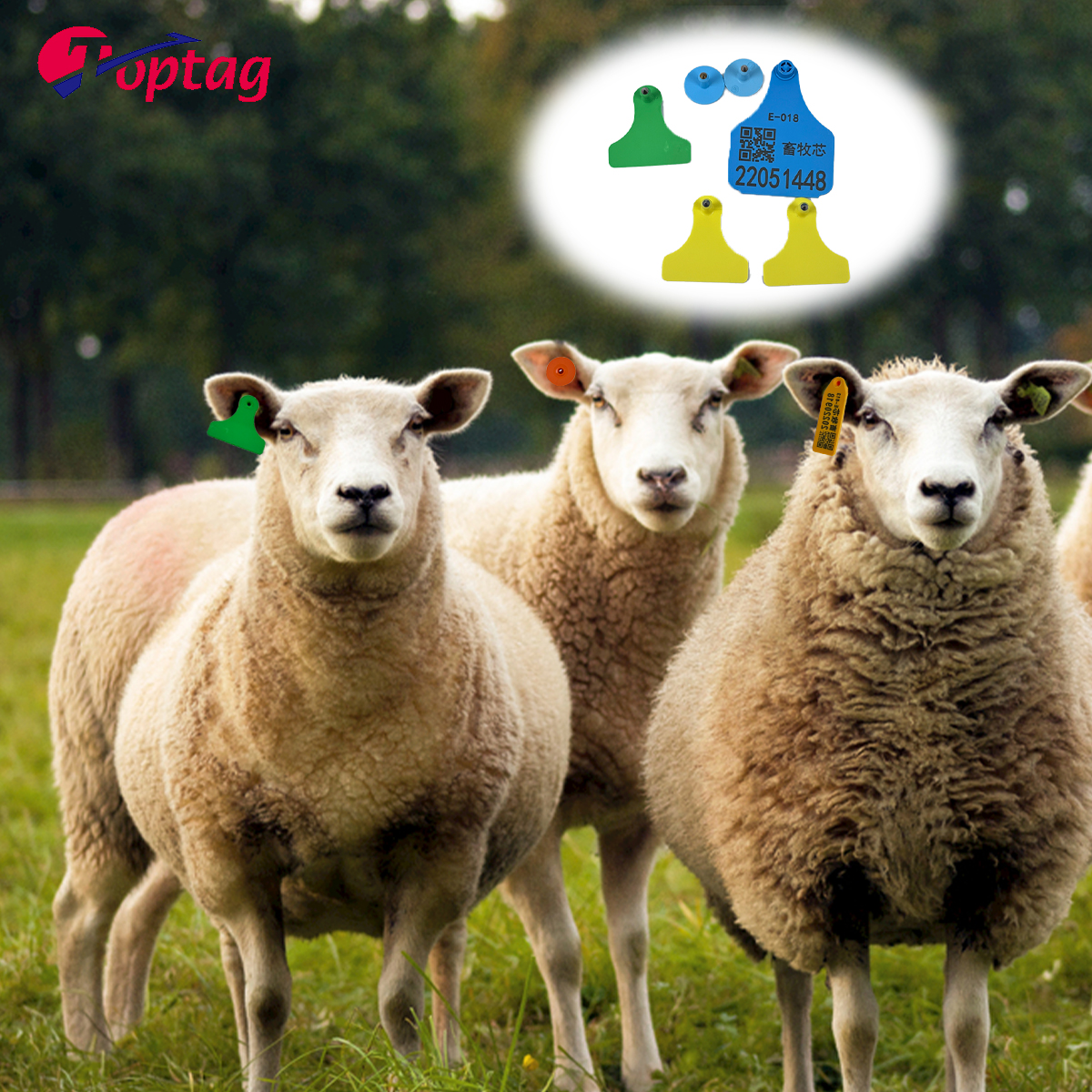
RFID Ear Tags
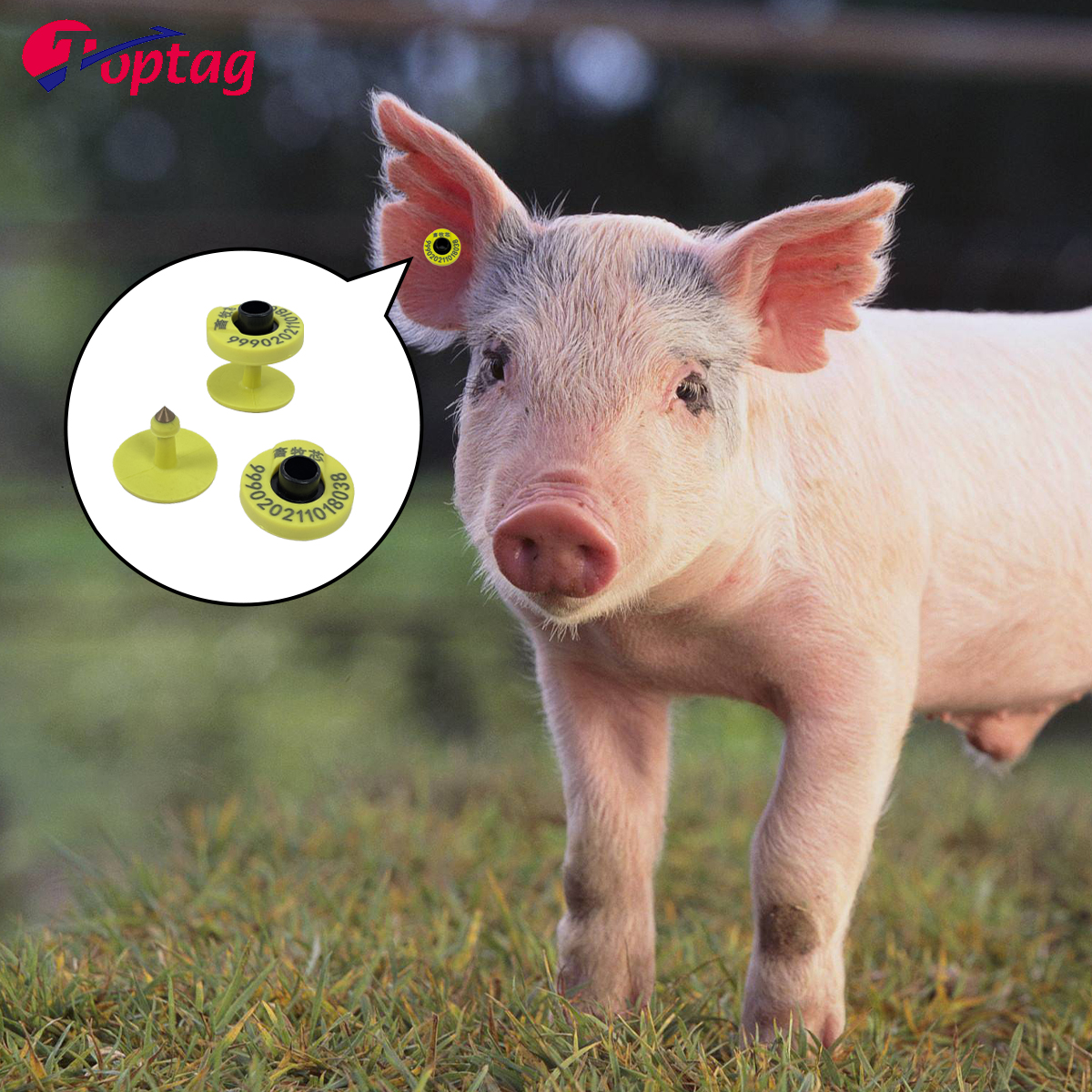
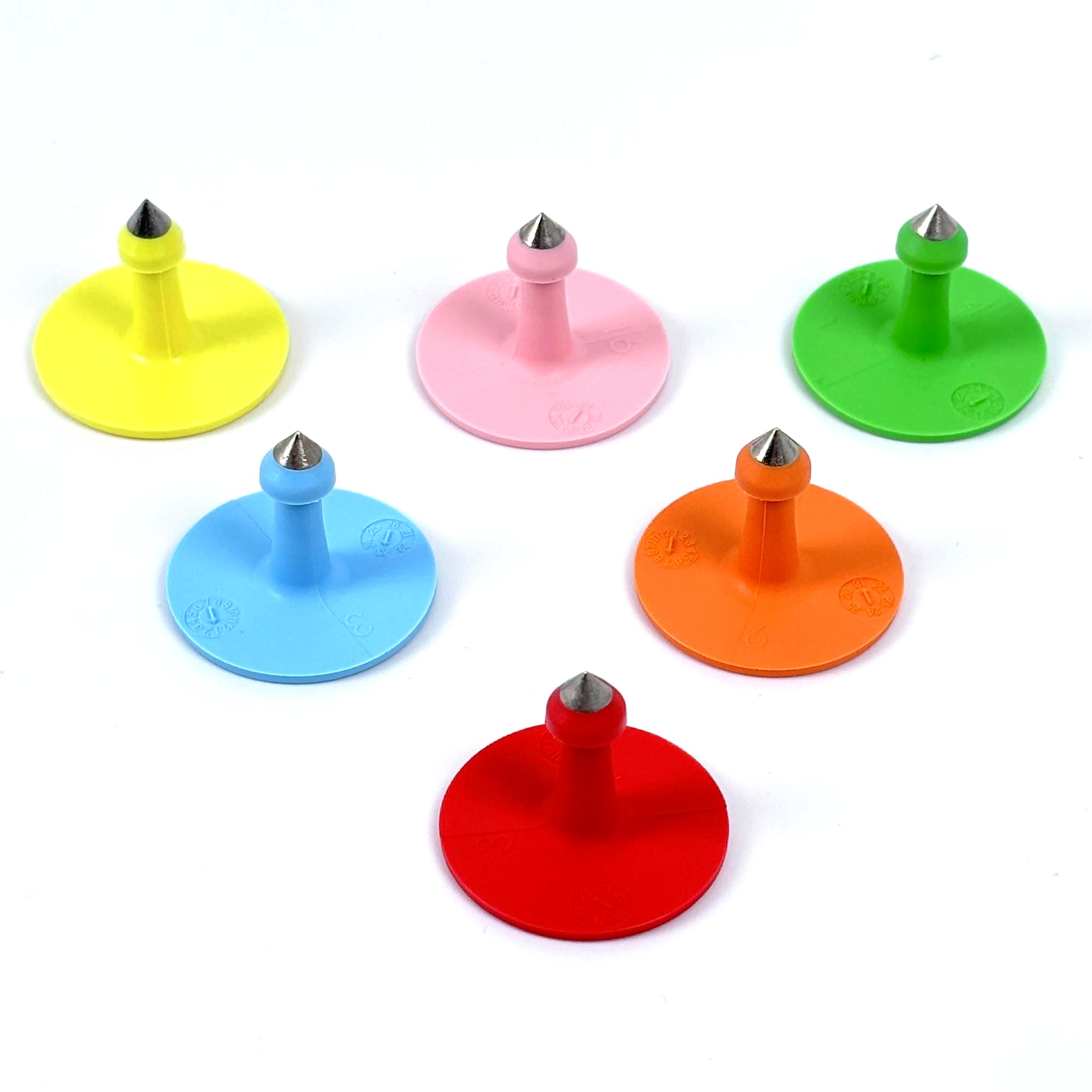
Ear tags are the most widely used option for cattle, sheep, pigs and goats. They typically come in two shapes:
- Round ear tags – Compact, TPU-coated tags with an embedded LF or UHF chip. They resist water, dust, and temperature swings from -25°C to 70°C, and UHF versions can be read from up to 3 meters away.
- Spade-shaped ear tags – Tags of larger size and greater flatness designed for the UHF wave range, with read ranges of up to 5 meters and the capability of scanning several animals simultaneously. These tags are appropriate for large pastureland or feedlots where grouping needs to be identified quickly, instead of one-by-one identification.
Both styles use two-stage injection molding for durability and typically last around 10 years, with memory capacities between 64 and 512 bits and support for well over 100,000 read/write cycles.
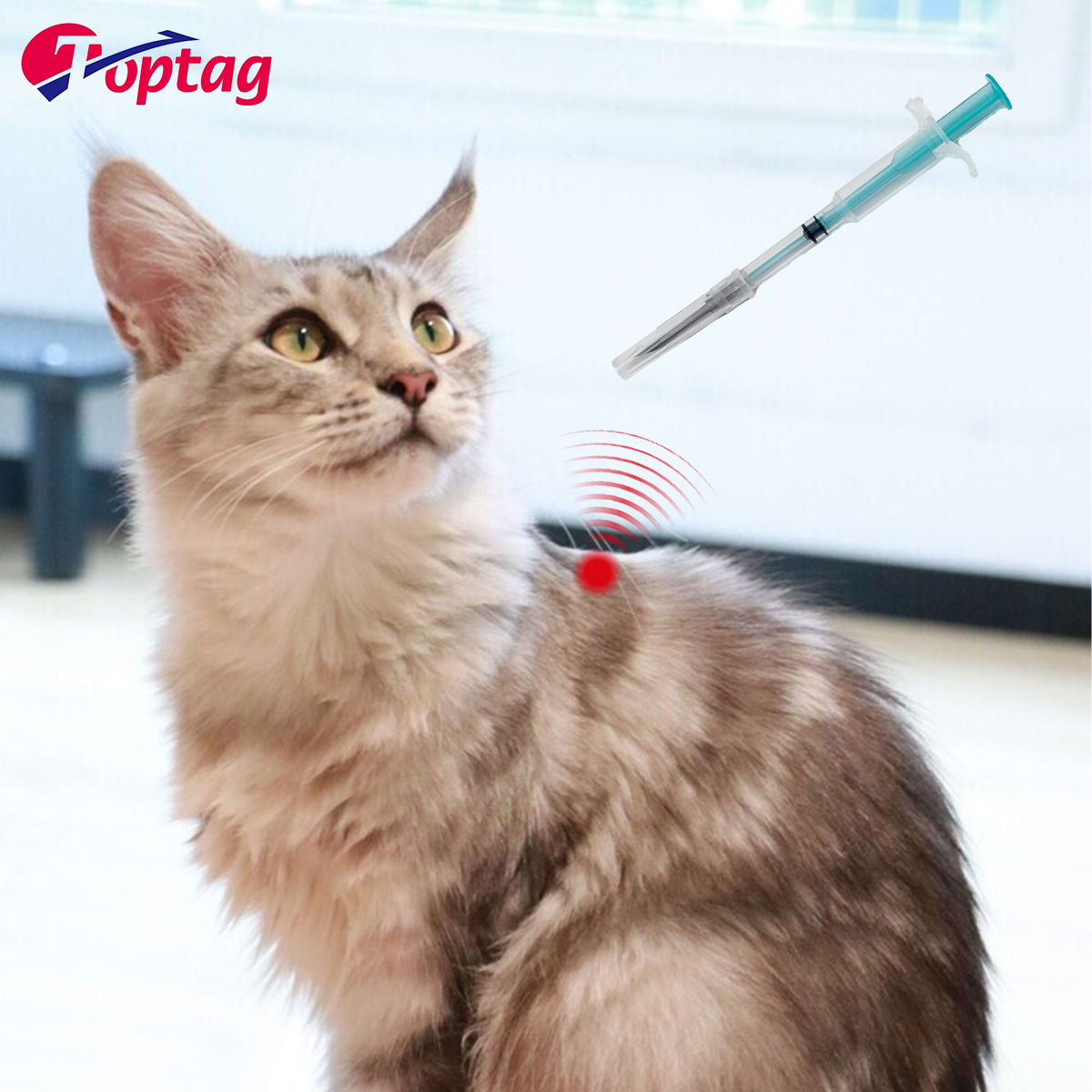
Injectable RFID Tags
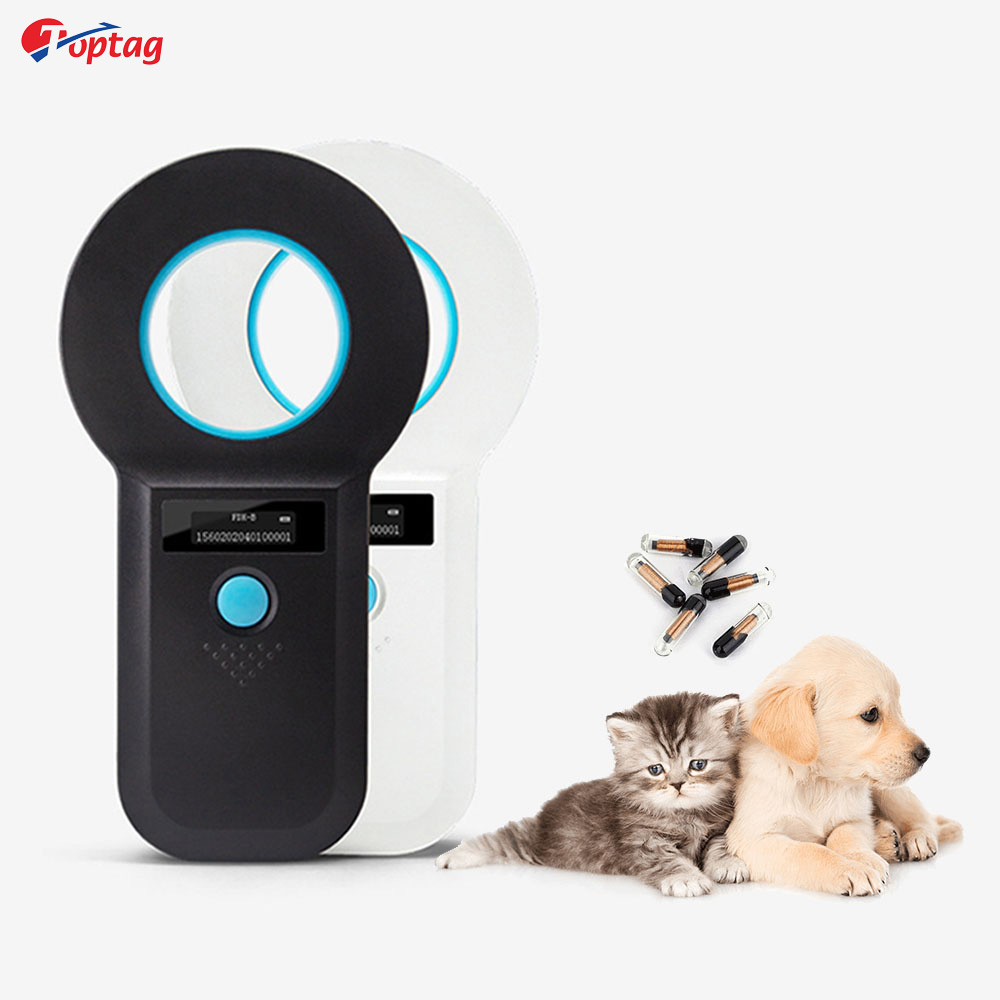
For smaller animals, pets or situations where an ear tag isn't practical, injectable glass tags offer a discreet alternative. These are implanted subcutaneously using a sterile, pre-filled syringe. Built from medical-grade glass, they're biocompatible and operate on LF or HF frequencies, making them a common choice for veterinary clinics tracking vaccination history and for wildlife researchers who need a non-invasive way to monitor migration or population data without disturbing natural behavior.
Leg Bands & Collar Tags
Poultry and some research animals are better suited to leg bands, while collar-mounted tags work well for animals that move through open grazing areas or need periodic visual identification alongside electronic scanning. These formats trade some of the durability of an ear tag for easier attachment and removal, which matters for shorter-term studies or rotational programs.
RFID Animal Tag Reader: Features, Read Range & Compatibility
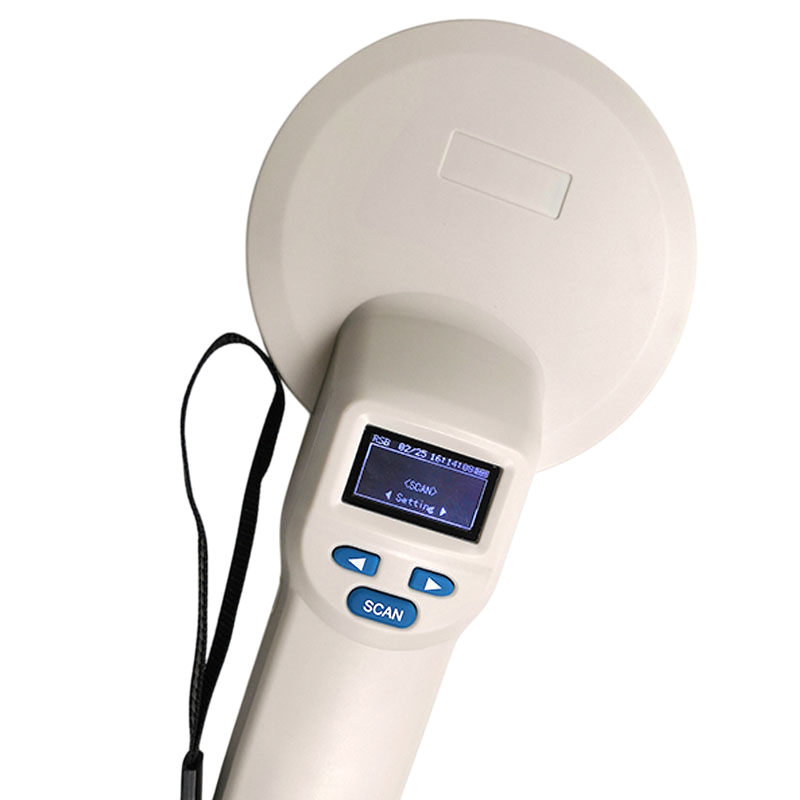
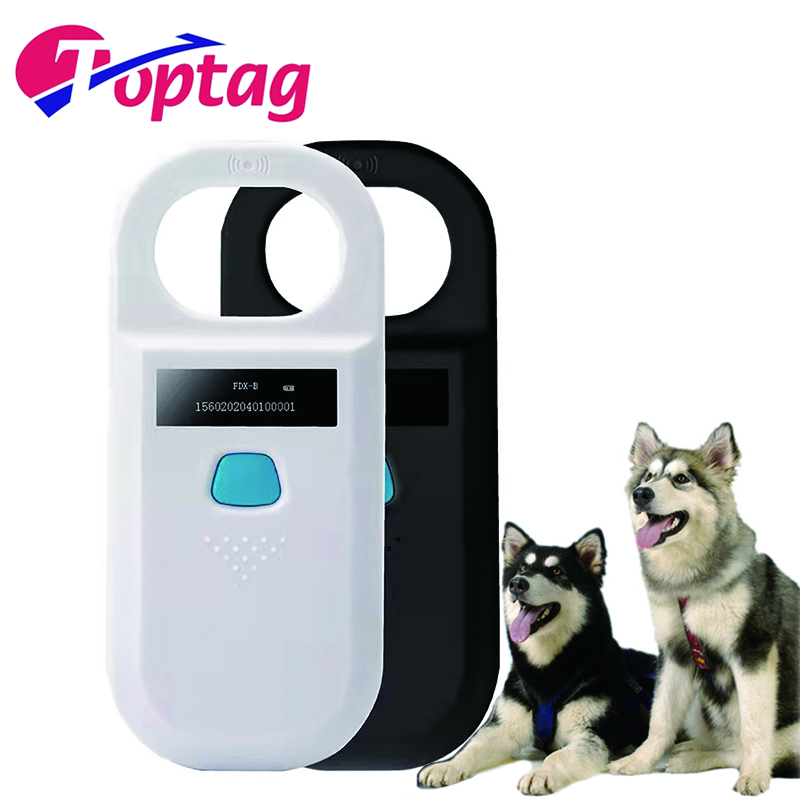
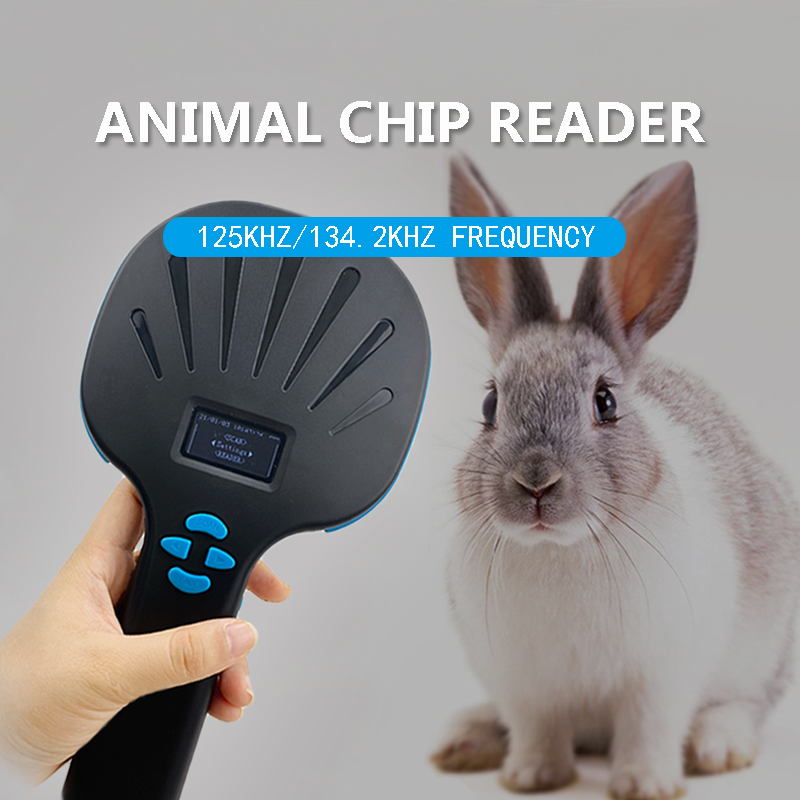
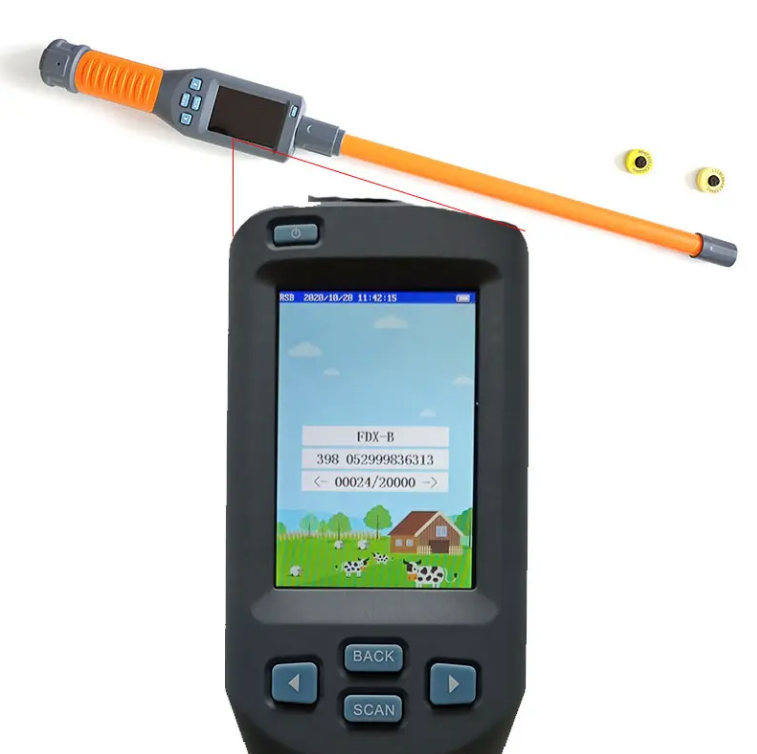
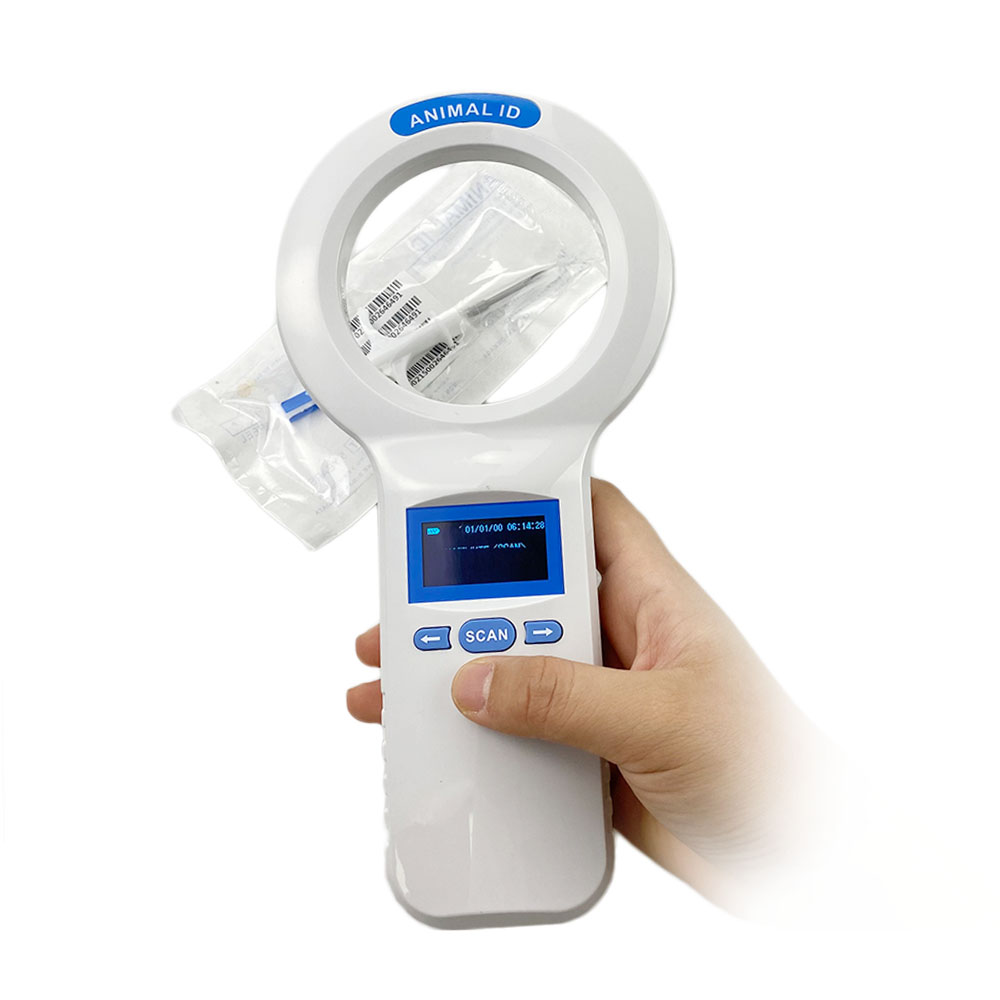
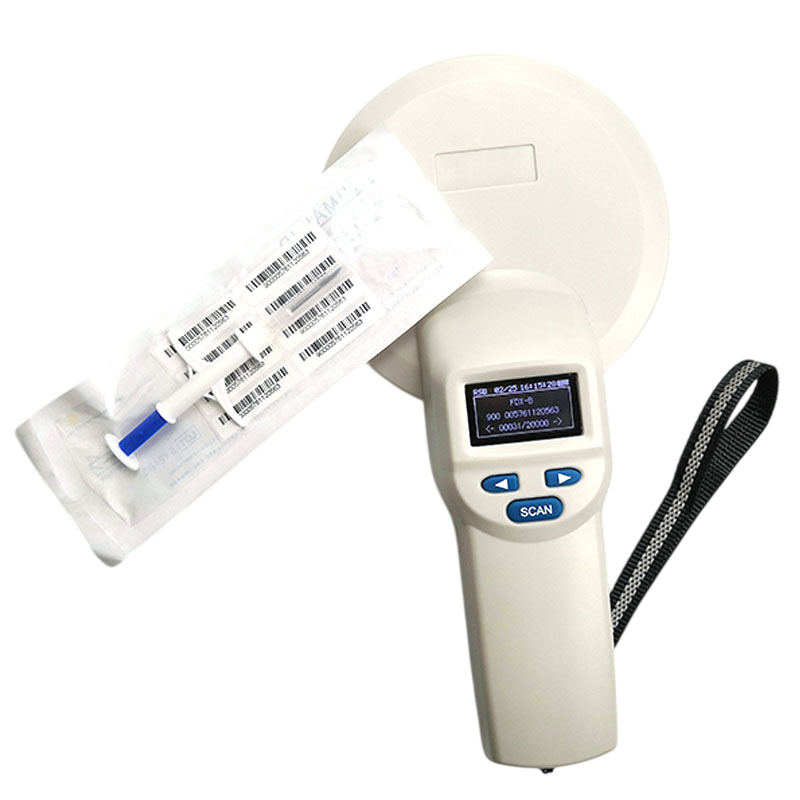
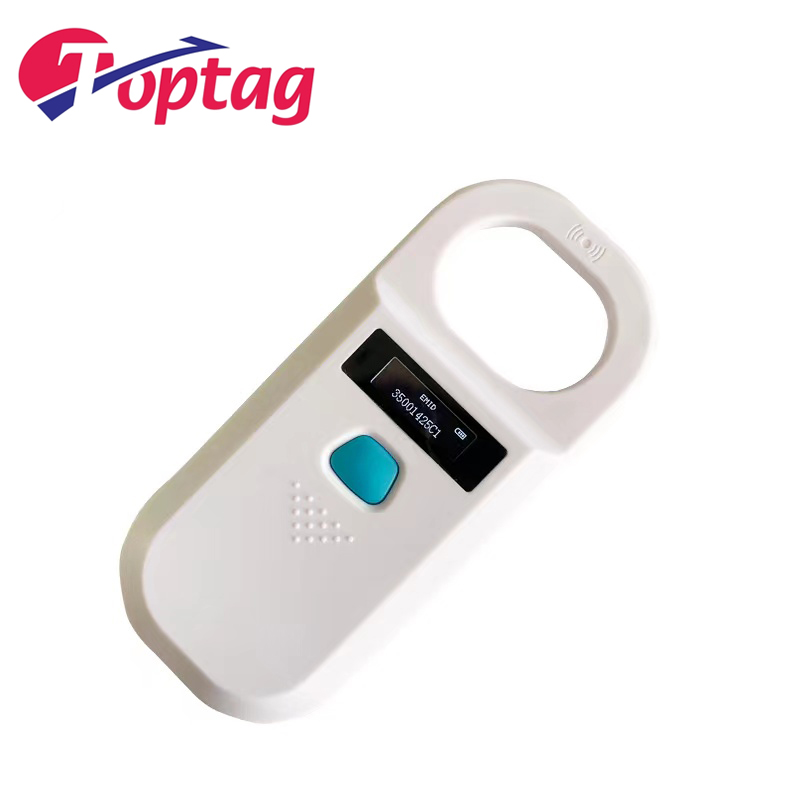
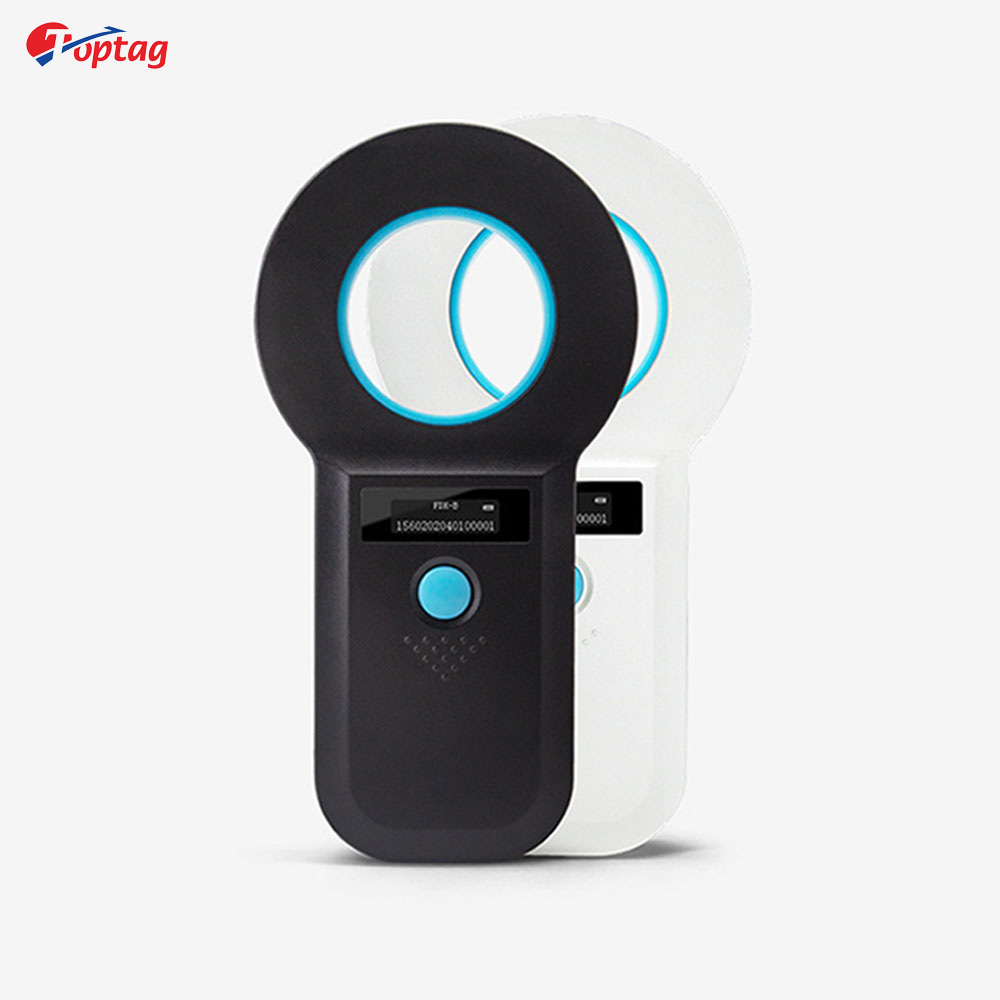
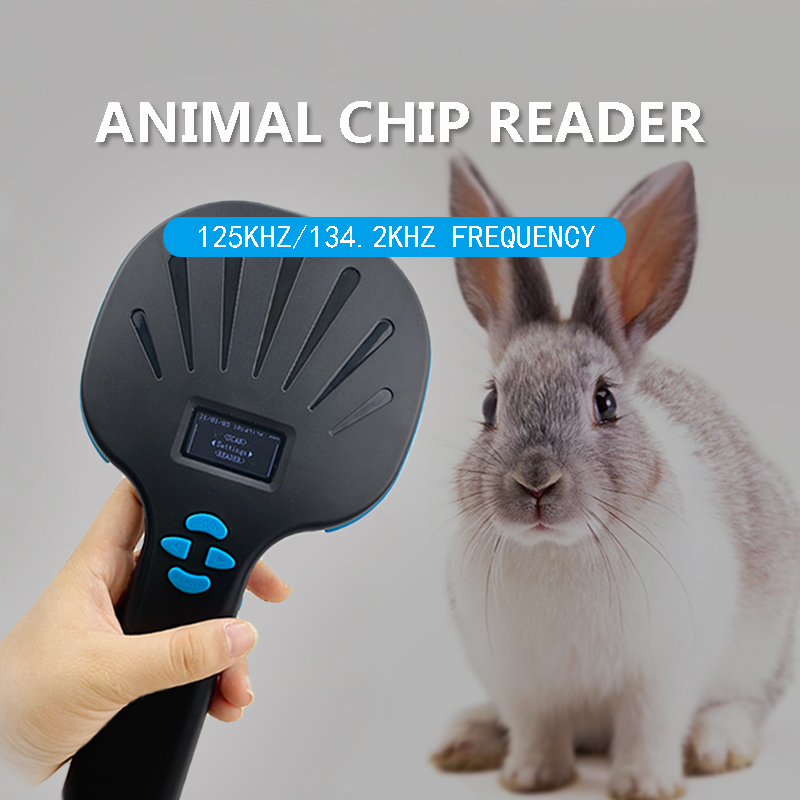
The RFID animal tag reader gives speedy and accurate identification to animals including livestock, pets, wildlife, and laboratory animals, through its support of standard low-frequency RFID technology. The reader is made in such a way that it gives stable performance with easy data handling.
Key highlights include:
- Compatibility with Many Protocols: Operates with 134.2kHz RFID technology that has FDX-B (ISO11784/85), EMID and some devices have FDX-A and HDX protocols too.
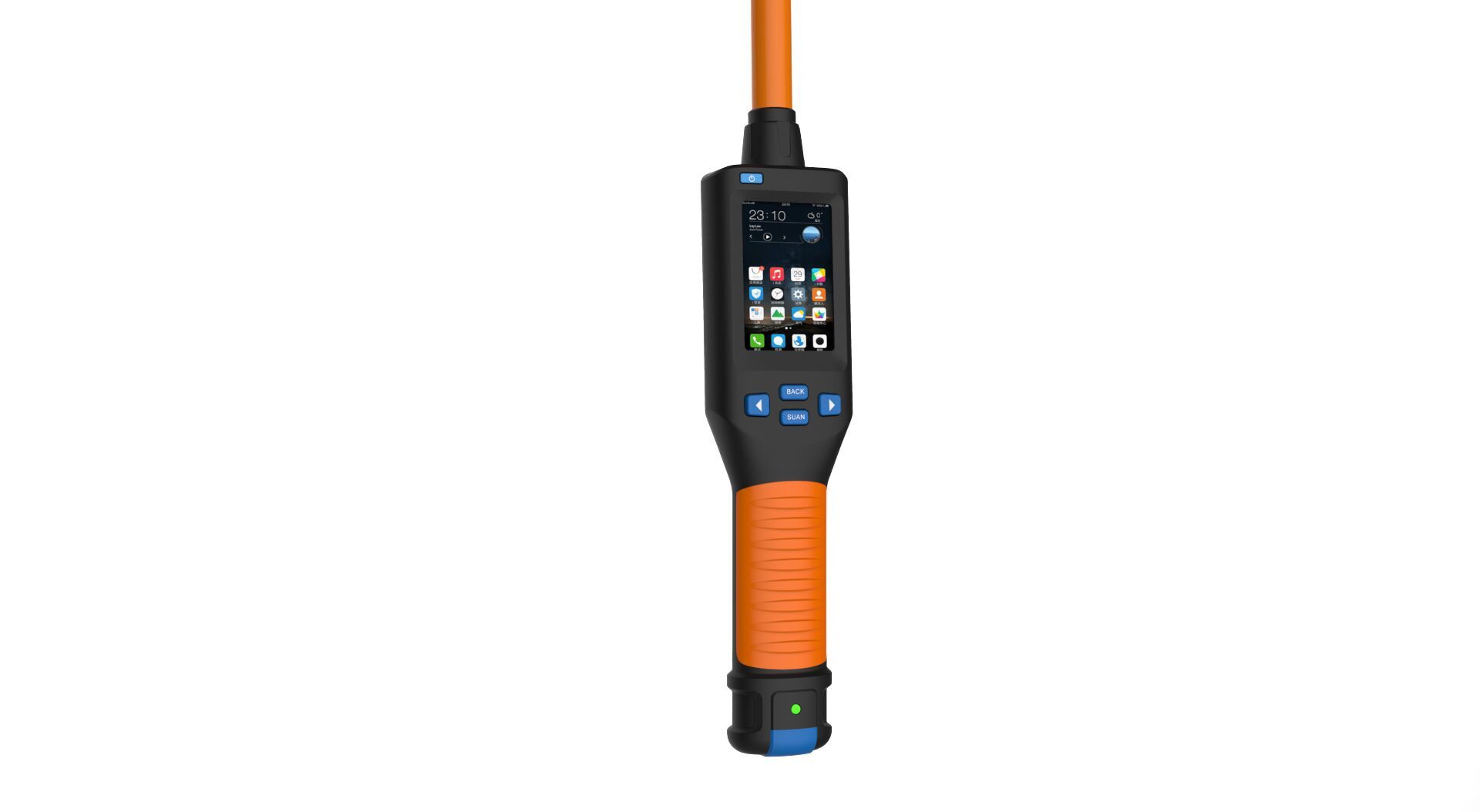
- Effective Reading Distance: It depends on the particular device, but it can read glass chips from 5-15cm and ear tags of animals from 15-25cm; long-distance readers can reach longer distance according to the kind of the chip.
- Data Storage: The built-in memory varies from 128 to 20,000 records, which allows offline data reading and immediate syncing.
- Connecting Features: Transfer data using USB, Bluetooth, Type-C, or any other connectivity options.
- Display and Tough Build Quality: Have good display either OLED or LCD that offers readability and a tough build quality.
- Battery Life Unmatched by Others: Selected devices ensure up to 12 hours of uninterrupted battery operation.
The RFID animal tag reader is suitable for use in veterinary offices, cattle farms, wildlife management, and industrial asset tracking since it ensures reliable operation, versatility of tags and efficient identification. Choosing the right RFID animal tag reader depends on your required read range, supported protocols, storage capacity, and connectivity needs.
Applications of Animal RFID Tags
The flexibility of RFID identification means it fits almost any species or production system.
- Cattle Identification – Tracks breeding history, milk yield, and movement across pastures or between farms.
- Flock Management for Sheep & Goats – Assists with managing flocks, scheduling shearing, and tracking diseases necessary for exports to several foreign countries.
- Management of Pigs – Helps in keeping track of pigs’ growth rate, efficiency, and vaccinations at a large scale.
- Bird Flock Management for Poultry – Can be used in breeding programs and studies where information about birds is more important than that about the flock.
- Pet Management with Identification – Helps in getting lost animals back home through injectable tags, which can then be read using the HF RFID reader.
How to Choose the Right Animal RFID Tag & Reader
Picking the right combination comes down to a few practical questions:
- What species are you tagging? Larger livestock generally handle ear tags well while smaller or research animals may need injectable options.
- What read range do you need? A busy feedlot benefits from long-range UHF tags, while a small barn might do fine with short-range LF tags.
- What's your environment like? Outdoor operations need tags rated for temperature extremes, moisture and physical impact.
- Do you need bulk scanning? If you're processing groups of animals quickly, look for industrial RFID tags built for multi-tag reads alongside a reader that supports simultaneous scanning.
- Will you need custom branding? Farm names, serial numbers, or logos can usually be laser-engraved onto the tag surface for larger orders.
Matching these answers to a supplier's product range will save time and prevent costly reordering later.
Why Choose Top Tag for Animal RFID Tags?
Top Tag has been designing and producing RFID tags since 2008, using their teams from Shenzhen and Hong Kong. The line of products includes a wide variety of tags, starting from low frequency ear tags up to long range UHF tags made of water-resistant TPU casing and zinc alloy inserts.
Every tag can be customized in size, color, material, and printing to match a farm's branding or a distributor's specifications, and the team offers direct technical support for buyers who need help matching tags to their reader systems. With rigorous testing behind every batch, the goal is straightforward: identification hardware that keeps working, season after season, without surprises.
Ready to upgrade your herd management system? Get in touch with our team to find the right animal RFID tags and reader setup for your farm, and ask about bulk pricing and custom branding options.
FAQs
How do animal RFID tags improve livestock management?
They replace manual record-keeping with instant, accurate scans, linking each animal to its health history, breeding data, and movement records in seconds.
What types of animals can be identified using this technology?
Cattle, sheep, goats, pigs, poultry, horses, and even pets can all be tagged, with the tag format chosen based on the animal's size and handling needs.
What should I consider when choosing an animal RFID tag?
Think about the animal species, expected read range, environmental conditions, and whether the tag needs to support bulk or individual scanning.
How does an RFID animal tag reader detect and read tags?
The reader emits a radio signal at a specific frequency; when a tag comes within range, it reflects back its stored ID and data, which the reader then captures and logs.
What is the typical reading distance of an RFID animal tag reader?
LF readers usually work within 0–25cm, while UHF readers can pick up tags from 3 to 5 meters depending on power and surrounding conditions.
Are animal RFID tags suitable for outdoor farm environments?
Yes. Quality tags are built with waterproof, dustproof materials rated for wide temperature ranges, so they hold up in pastures, barns, and feedlots alike.
Can these tags be customized with farm names, serial numbers, or logos?
Most manufacturers offer laser engraving and color options for bulk orders, letting farms brand their tags or add sequential ID numbers.
What is the expected lifespan of an RFID animal tag?
Well-made tags typically last around 10 years and can handle over 100,000 read/write cycles without failure.
Are animal RFID tags compatible with all RFID readers?
Not always. Tags and readers need to match on frequency and protocol, so it's important to confirm compatibility, especially when mixing LF, HF, and UHF equipment.