

RFID Wristbands | Silicone, Paper & Woven RFID Wristband Solutions
Selection of the correct RFID wristbands can mean all the difference between a successful and a disastrous function, hotel or facility. From quick entry for festival attendees to security access for rooms within a resort to touch-free payment transactions in a water park, selecting the right wristbands ensures minimal queues and guest satisfaction. Below are details on each wristband type and how to select one to suit your needs.
What Are RFID Wristbands?
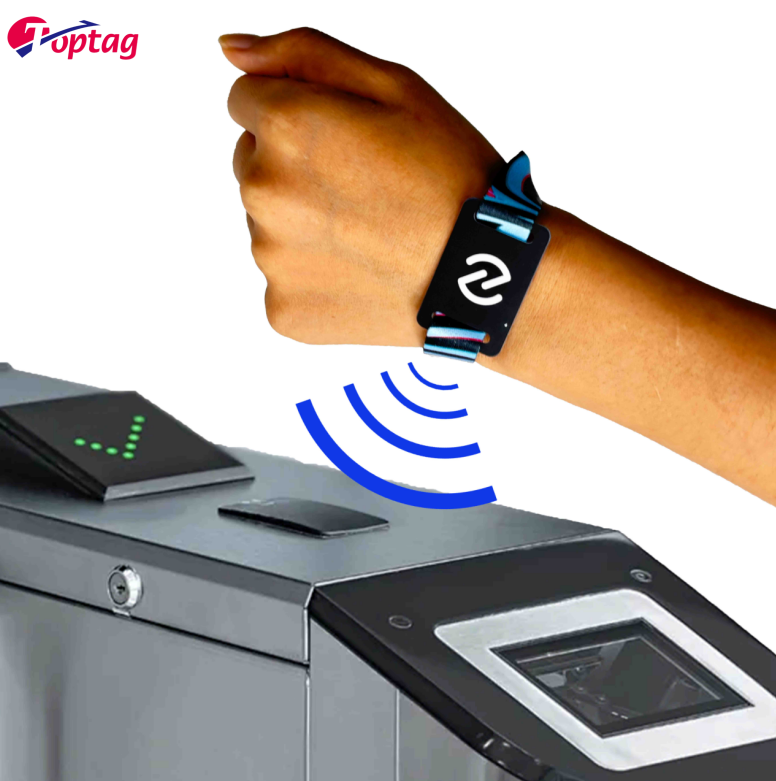
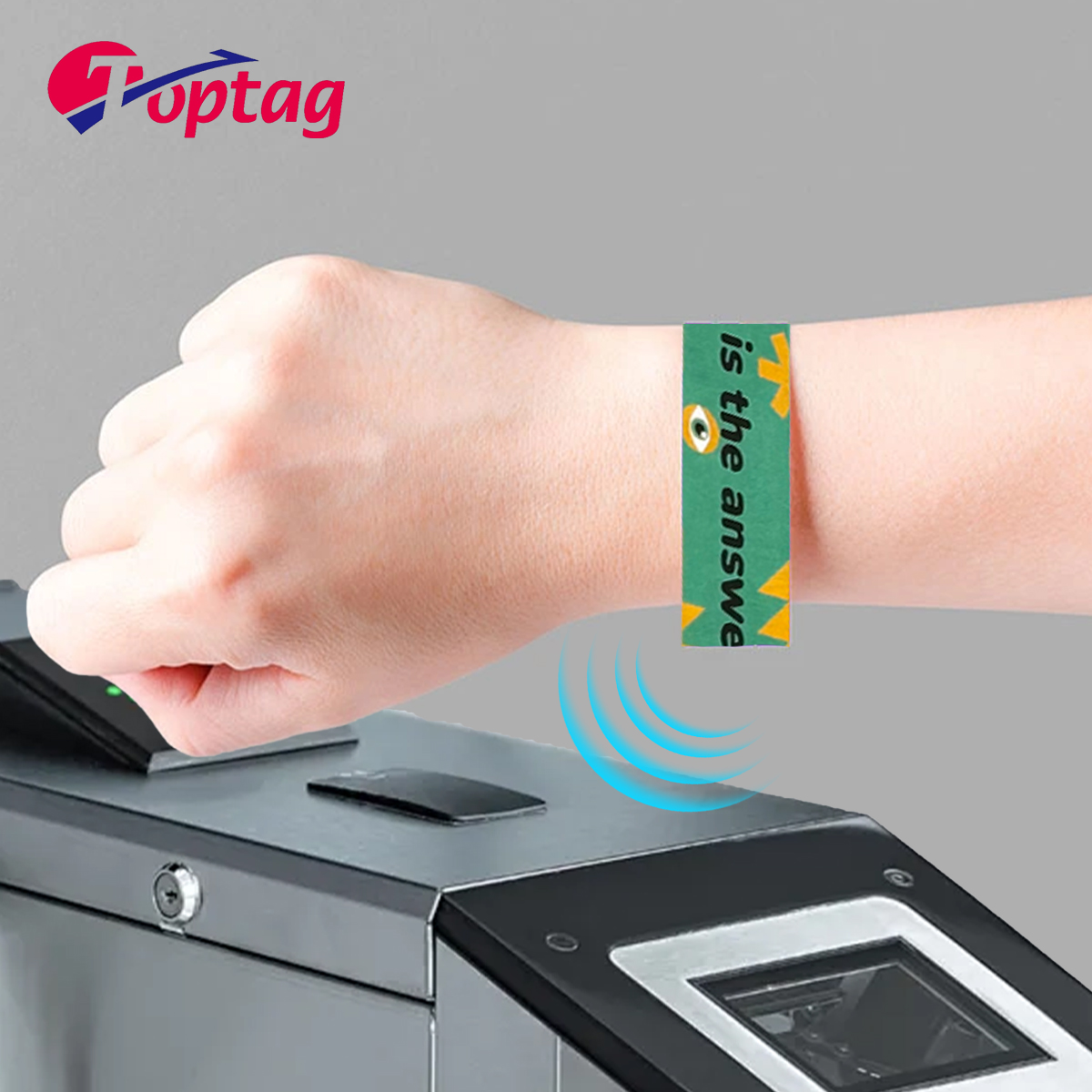
RFID wristbands are a type of wearable bracelet that features an RFID chip and antenna. Rather than having to swipe a card or present a ticket, the guest will have to simply wave their wrist in front of a reader, which will then confirm their identity, access privileges or even their account balance immediately.
In RFID wristbands, the chip can contain unique codes, serial numbers, or other types of data that make the wristband trackable and not replicable, making the technology way more secure and efficient than tickets or barcode systems.
Types of RFID Wristbands
Not every event or facility needs the same wristband. Material, durability, and budget all play a role in which option makes sense. Here's a look at the three main styles we manufacture.
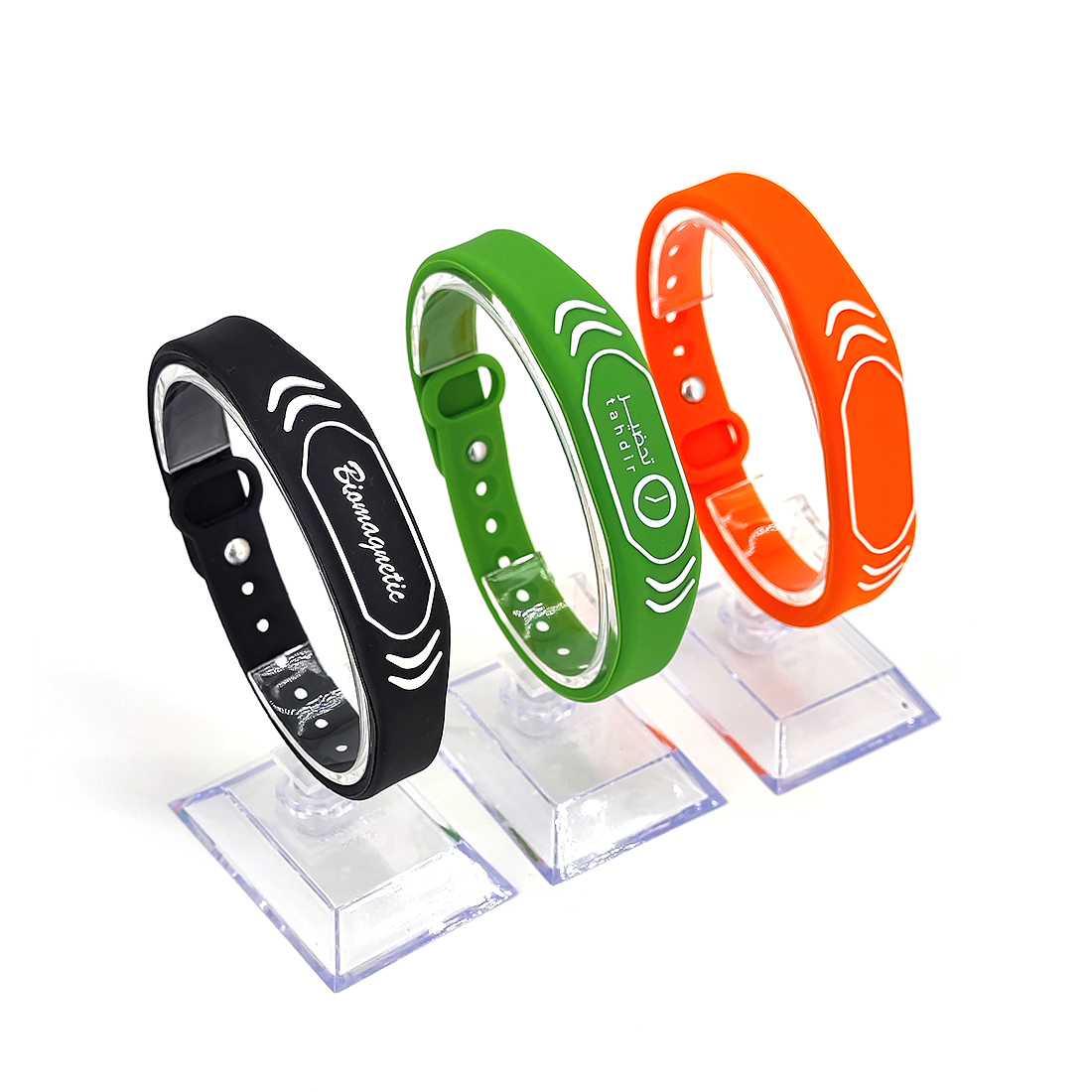
Silicone RFID Wristbands
A silicone RFID wristband is built from soft, flexible, environmentally friendly silicone that can handle temperatures from -30°C to 220°C, making it one of the toughest options available. Because silicone resists water, sweat, and general wear, RFID silicone wristbands suit multi-day use.
The main benefit of an RFID silicone wristband is durability paired with comfort — guests barely notice they're wearing one. Chips run on 125KHz, 13.56MHz, or 860-960MHz frequencies, and the surface can be laser printed, embossed, debossed or fitted with a QR code.
Common applications for RFID silicone wristbands include gym check-ins, water parks, school attendance tracking, multi-day festivals, and hotel guest identification where reusability matters.
RFID Paper Wristbands
A paper RFID wristband is made from Tyvek Dupont paper, which is lightweight, tear-proof, water-repellent, and designed to be used once. Disposable paper RFID wristbands are adhesive and come in dimensions such as 255x25 mm, but they can also be customized. Full-color printing, as well as barcodes and serial numbers, are possible.
The biggest advantage of a paper RFID wristband is its price, which makes it appropriate in cases when money is important and visitors are only going to attend an event for a day. Disposable paper RFID wristbands also allow the use of HF or UHF chip technology.
Main applications for an RFID paper wristband include entry into a swimming pool, wellness clubs, amusement parks, concerts, and conferences lasting only one day.
RFID Woven Wristbands
The RFID woven wristband combines a soft fabric band with a PVC or wooden card tag, giving it a more premium look than paper while staying lighter than silicone. Fabric construction makes it breathable and comfortable for extended wear with adjustable sizing.
Its main benefit is versatility. Woven wristbands support a wide range of chip protocols — from LF options like TK4100 and Hitag to HF chips such as NTAG213/215/216 and Mifare and UHF chips like U CODE GEN2. Writing cycles reach up to 100,000 times, and bands can be disposable or reusable.
Common applications include large-scale festivals, corporate conferences, sporting events and healthcare settings where patient data needs to travel with the wearer.
RFID Wristband Reader Compatibility
RFID wristbands are only as useful as the reader they work with. A reliable RFID wristband reader needs to match the chip frequency of your bands — HF readers typically scan from 1 to 10 centimeters away. UHF readers pick up a signal from 1 to 10 meters, useful for high-traffic entrances where guests shouldn't have to stop and queue.
Before ordering, confirm your reader hardware supports the chip type you plan to use, whether that's Mifare Classic, NTAG, Desfire, or a UHF Gen2 chip. Mismatched frequencies are a common reason access control systems fail on launch day.
RFID Wristband Solutions for Different Industries
Different industries lean on RFID wristband solutions for different reasons, but the goal is always the same: faster, safer, more accurate identification.
Event & Festival Access Control
The use of RFID wristbands for identification of attendees ensures no pass-backs and no ticketing fraud, while also ensuring faster line-ups at entrance points during busy times.
Hotels & Resorts
Guests check in, have rooms unlocked and have purchases charged to their account with one swipe, thereby replacing the traditional key card.
Healthcare & Patient Identification
Healthcare professionals use the RFID wristband to access details related to the patient's allergies, medication and medical history with just one swipe.
Water Parks & Theme Parks
These waterproof RFID wristbands are used even in the splash zones or pools, apart from handling rides, lockers and children's check-in.
Fitness Clubs & Membership Management
Members scan in for entry, booking classes, and accessing lockers, enabling the staff to know who has attended without signing in manually.
Cashless Payment & Loyalty Programs
Assigning a wristband to a prepaid membership enables members to pay for food, beverages, and merchandise without using cash, while tracking their loyalty points.
How to Choose the Right RFID Wristband
Picking the right band comes down to a few practical questions:
- How long will it be worn? Single-day events favor paper; multi-day events favor silicone or woven.
- What environment will it face? Water resistance needs water-resistant paper or silicone, while extreme heat needs the large temperature resistance capacity of silicone.
- Are reusability options important to you? Woven and silicone wristbands can be used for many occasions; paper bands are single-use only.
- What is your branding requirement? All three materials allow for logo printing, but woven and silicone have premium options such as embossing.
- What chip range do you need? Short-range HF suits close-contact scanning; long-range UHF suits fast-moving crowds.
Matching these factors to your venue type narrows the decision and prevents costly reordering later.
RFID Wristband Price: Factors That Affect Cost
Wristband RFID price depends on a variety of factors, knowledge of which will assist you in making an accurate estimate before placing your order.
- Material – These wristbands made from paper are less expensive compared to silicone and woven materials.
- Chip technology – Low-frequency chip technology is cheaper than Ultra High Frequency or high-capacity HF chips like Mifare Desfire.
- Complexity of printing – Full color printing, logo embossing, and serial number printing will add to the basic cost.
- Order quantity – The wristband RFID price will reduce when the order quantity is larger.
- Customization – A customized size, custom color, or particular finish will raise the cost of production.
It would be best if you requested a quote that will take into consideration your specific needs as generic prices cannot reflect the actual cost of your order.
Why Choose Top Tag as Your RFID Wristband Supplier?
Since its formation in 2008, Top Tag has been creating and producing RFID technology in its factories located in Hong Kong and Shenzhen. It has a team that is well aware of the aspects involved in RFID implementation. We are an end-to-end RFID wristband supplier, and our process includes everything from chip selection to customization and technical consultation, so you won’t have to guess what kind of product suits your needs.
Our in-house production includes silicone, paper, and woven RFID wristbands of LF, HF, and UHF frequency ranges with up to 100,000 writing cycles per wristband. Every order can be customized with your logo, unique serial numbers, and your choice of color, and our team can walk you through frequency selection, reader compatibility, and bulk pricing before you commit.
Frequently Asked Questions
What are RFID wristbands, and how do they work?
They're wearable bands with an embedded chip and antenna that transmit identification data to a nearby reader, allowing instant, contactless verification for access, payment, or tracking purposes.
What is the difference between silicone, paper, and woven RFID wristbands?
Silicone bands are durable and reusable, paper bands are disposable and budget-friendly, and woven bands offer a premium fabric feel with wide chip compatibility.
Which RFID wristband is best for single-use events?
Paper wristbands are the most practical choice for single-day events since they're waterproof, affordable, and designed for one-time wear.
Is a silicone RFID wristband waterproof and reusable?
Yes, an RFID silicone wristband is waterproof, resistant to extreme temperatures, and built to be reused across multiple events or wear cycles.
How long do RFID paper wristbands last?
An RFID paper wristband is designed for a single day or event, holding up well against water and general handling but not intended for repeated or long-term use.
Can an RFID woven wristband be customized with logos or branding?
Yes, woven wristbands support full-color printing, sublimation printing, and custom logos on the attached PVC or wooden card tag.
Which RFID wristband reader is compatible with different wristband types?
Compatibility depends on chip frequency — HF readers work with short-range chips, while UHF readers handle longer-range scanning.
What factors affect RFID wristband price?
Material choice, chip type, printing complexity, order volume, and customization level all influence final pricing.
Can RFID wristbands be programmed with unique user information?
Yes, each chip can be encoded with a unique ID, serial number, or specific data set tied to an individual guest or patient.
Which industries benefit most from RFID wristband solutions?
Events, hotels, healthcare, theme parks, fitness clubs, and cashless payment programs all see measurable efficiency gains from an RFID wristband.
How do I choose the right RFID wristband supplier?
Look for a supplier with in-house manufacturing, multiple chip and material options, customization support, and a track record of technical consulting for your industry.