



Industrial RFID Tags for Asset Tracking & Industrial Applications
Equipment, inventory, and material tracking through a facility can prove to be anything but easy. Equipment gets lost, misplaced, and even damaged at an alarming rate. Here come the industrial RFID tags. This is not an ordinary label; this is a tough, rugged label that will allow for automatic identification, location, and monitoring of items.
What Are Industrial RFID Tags?
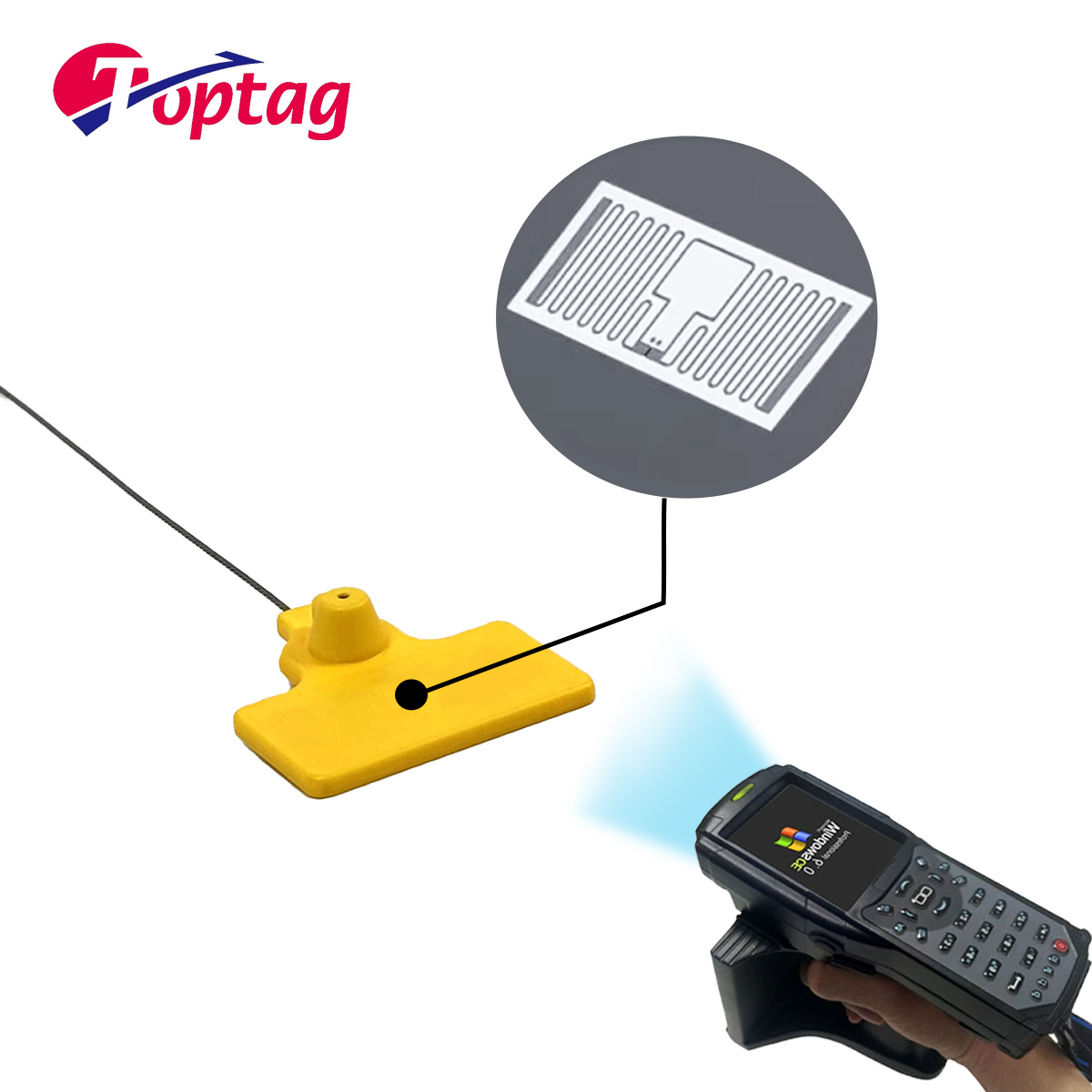
Industrial RFID Tags can be used under difficult conditions, including extreme temperatures, moisture, chemical substances, physical shocks and metal presence. They are based on a microchip and an antenna containing a unique ID and asset information. The information can be read immediately by compatible readers, without requiring any direct visibility.
Types of Industrial RFID Tags
Choosing the correct RFID solution ensures reliable reading performance, longer service life, and lower maintenance costs.
Ceramic RFID Tags
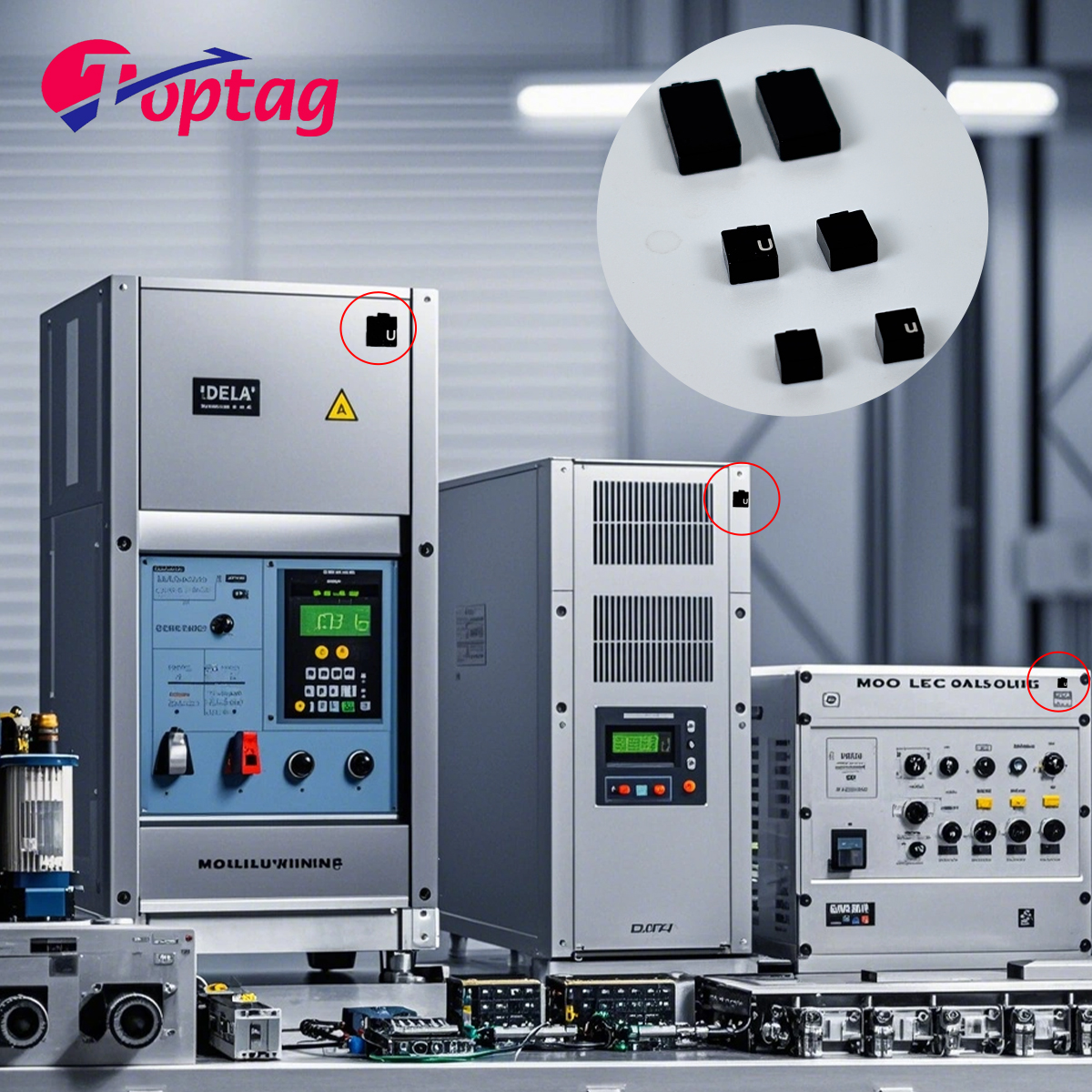
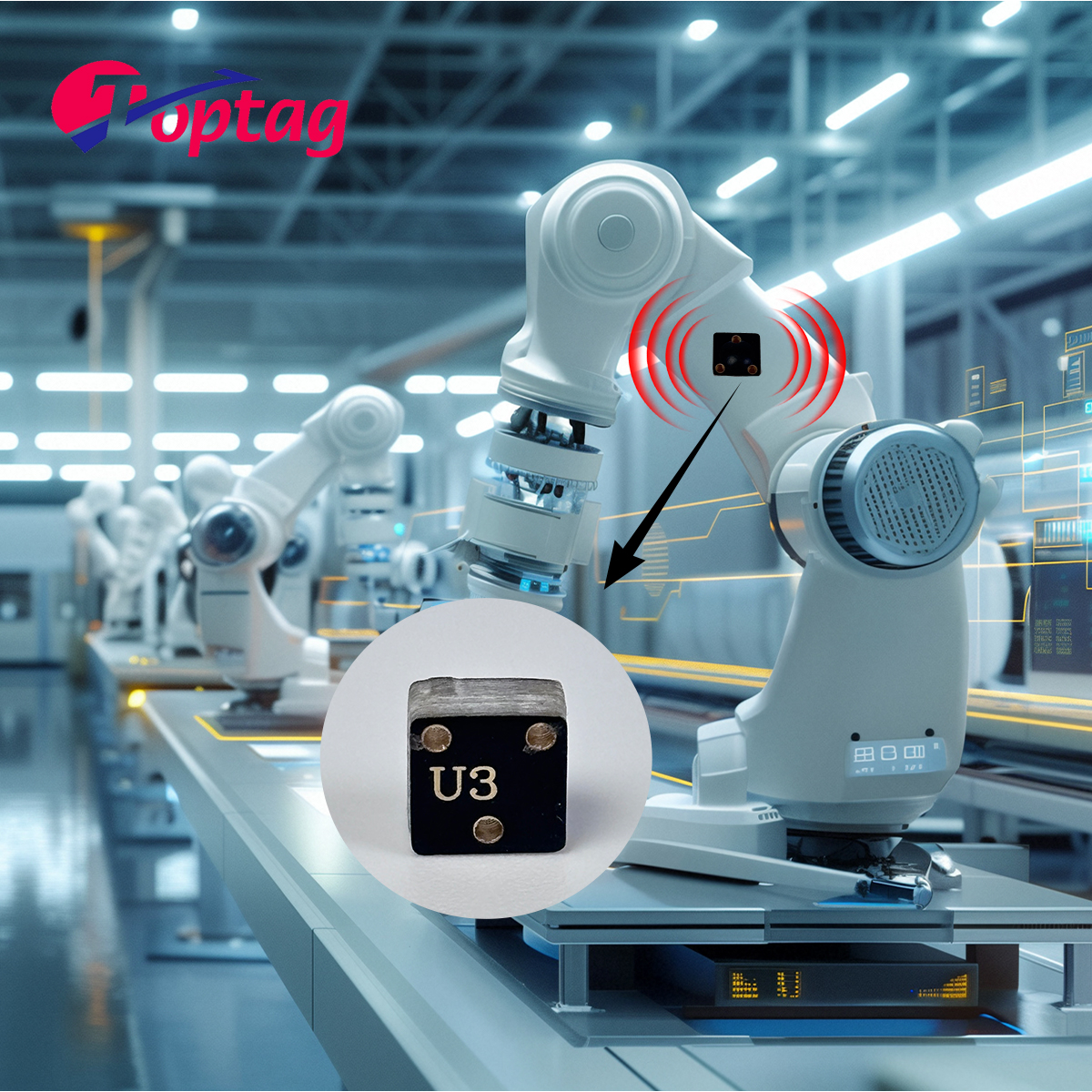
Ceramic RFID tags are created for use in environments in which traditional RFID tags would not be able to withstand. This type of tag is produced using high-temperature ceramics and silver-plated antenna technology, making it highly resistant to heat, corrosion, and pressure.
One of the greatest strengths of ceramic RFID tags is that they offer consistent read performance and high durability during operation in extremely difficult environments. For businesses requiring custom ceramic RFID tags, they have the choice to customize their size and specifications according to their needs.
Common applications of an RFID ceramic tag include power equipment inspection, pressure vessel identification, metal structure quality control, hospital equipment management, industrial asset tracking, and library and commercial asset management.
Anti-Metal & On-Metal RFID Tags
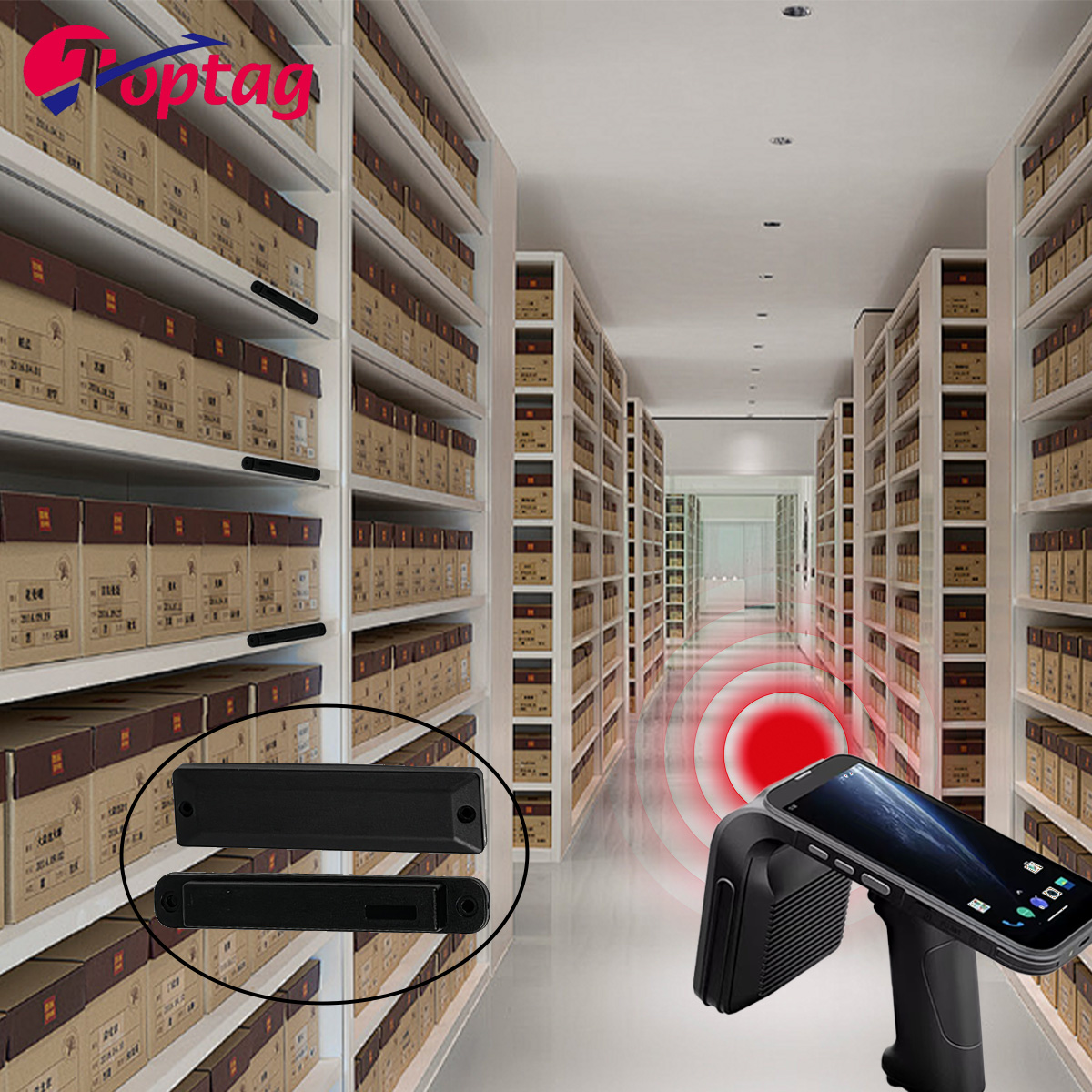
Metal surfaces often interfere with conventional RFID signals, reducing read accuracy. RFID anti metal tags are specially engineered to eliminate this challenge by incorporating shielding materials that allow reliable communication even when mounted directly on metal.
These anti metal RFID tags are available in long-lasting materials like PCB and are commonly utilized for fixed assets, machinery, and industrial equipment. An RFID UHF on-metal asset tag also allows for long-distance reading.
Key benefits of an RFID metal tag include stable performance on metal surfaces, waterproof and impact-resistant construction, long operational lifespan, accurate long-range reading, and reliable outdoor performance.
Common applications of RFID tags for metal include manufacturing equipment, metal containers and pallets, server cabinets and IT assets, oil and gas infrastructure, medical equipment, and logistics asset management.
Waterproof RFID Tags
Waterproof RFID tags are made for reliable identification in water-exposed settings. The sealant structure of the waterproof RFID tag ensures reliable operation of the chip despite tough industrial conditions.
The tags provide great protection from water, dust, humidity, and regular washing thus contributing to increased durability and decreased maintenance needs.
They are widely used for outdoor asset identification, construction equipment, utility infrastructure, marine applications, cold chain and industrial production facilities.
Flexible RFID Tags
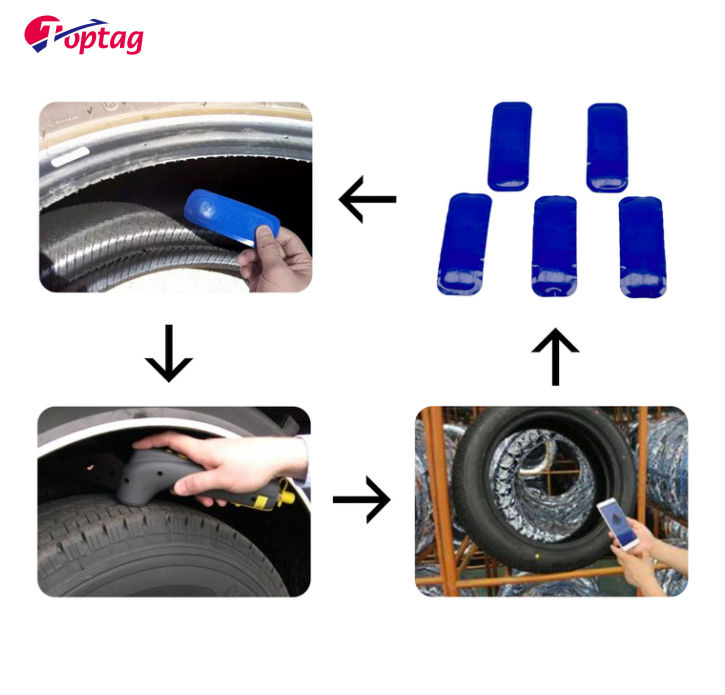
Curved, uneven, and irregular surfaces are some of the surfaces on which hard tags are difficult to fix. A flexible RFID tag can easily adapt to such surfaces without hindering communication with the RFID readers.
These tags offer easy installation on curved objects, excellent flexibility, a lightweight design, and reliable reading performance. They are commonly used for cylindrical equipment, plastic containers, curved industrial tools, packaging systems, medical devices, and electronic equipment, providing accurate identification and efficient asset tracking.
RFID Cable Tags
RFID cable tags can be defined as tags meant to identify and monitor cables, fiber optic wires, hydraulic hoses, and communication networks through the life cycle of such cables. They offer quick identification of cables, low maintenance mistakes, easy inspection, extended life cycle and high-temperature resistance for dependable use in harsh conditions.
Their applications include electrical distribution systems, telecommunications infrastructure, industrial automation, data centers, manufacturing plants, and railways, among others.
RFID Nail Tags
An RFID nail tag is designed for long-term outdoor identification and secure installation into wooden assets. It offers a long outdoor lifespan, weather-resistant construction, secure installation, reliable identification, and minimal maintenance, ensuring consistent performance with minimal upkeep.
They are commonly used for tree identification, forestry management, urban landscaping, timber inventory, park asset management, environmental research, and other industrial applications requiring durable, long-lasting asset tracking.
RFID Gas Cylinder Tags
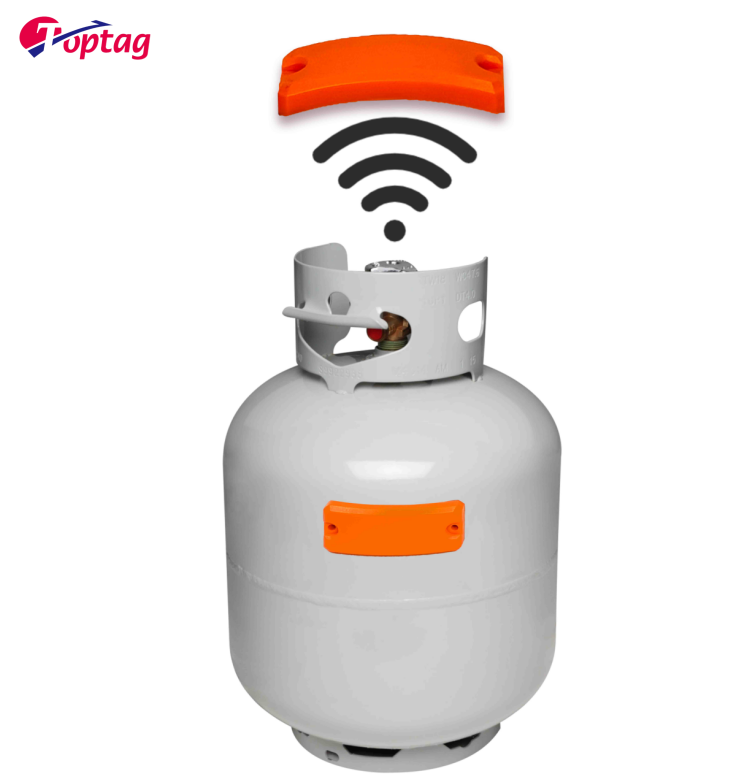
RFID tags for gas cylinders are meant to provide identification and tracking capability for cylinders used in various industrial, healthcare, and commercial settings. The tag stores important information like manufacturing data, inspection information, maintenance information, and gas type. This helps easily access information from the tag without physically interacting with it.
The RFID Gas Cylinder Tags increase traceability by enabling an organization to track the movement of cylinders, schedule inspections and maintenance, and avoid errors and compliance issues, as well as loss or misplacement.
These tags are commonly applied in industrial gas cylinder management, health care facilities, fire safety, the food and beverages industry, logistics, and high-pressure equipment management.
RFID Bin & Waste Management Tags
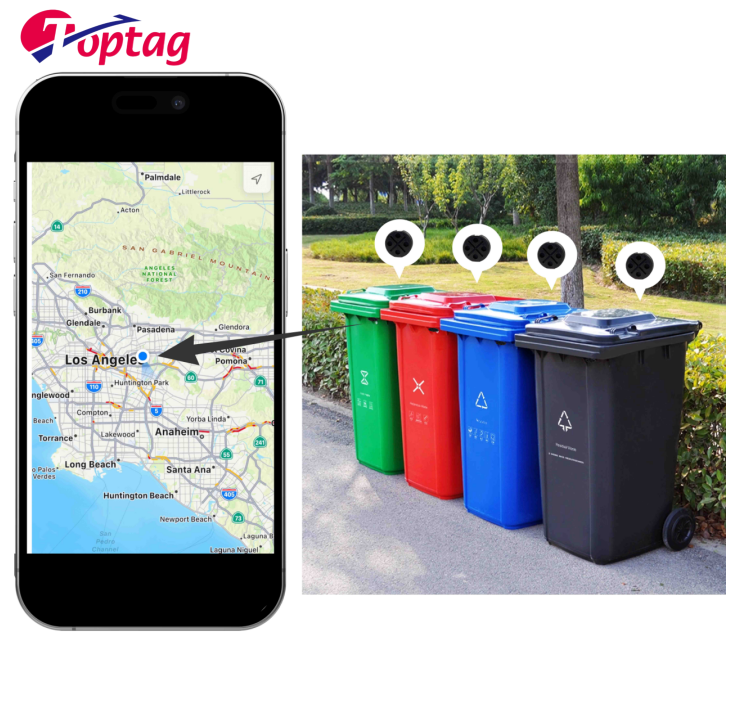
An RFID bin tag assigns a unique electronic ID number to each waste bin, allowing for proper identification and tracking of the waste during the entire waste management process. Designed specifically for outdoor use the RFID tag on bin is highly durable against any water, dirt, corrosion and even changes in temperature.
The main benefit of RFID tags for waste bins is their ability to improve operational visibility and efficiency. These tags allow garbage collection companies and governments to automate tasks. Companies that plan to buy RFID waste bin tag solutions may also improve accountability and make better waste management decisions based on collected data.
An RFID waste bin tag is applied to smart waste collection, recycling, municipal waste management, commercial waste tracking, transportation monitoring, and disposal facility management applications.
Retail Shelf RFID Tags
The use of retail shelf RFID tags is aimed at providing more visibility of inventory at retail shops and distribution centres. The main benefit of employing them is that they improve inventory accuracy, ensuring speedy resupply and customer satisfaction.
Smart retail shelves, inventory automation, warehouse replenishment, product location management, retail operations, and distribution centers are all examples of common applications.
RFID Laundry & Textile Tags
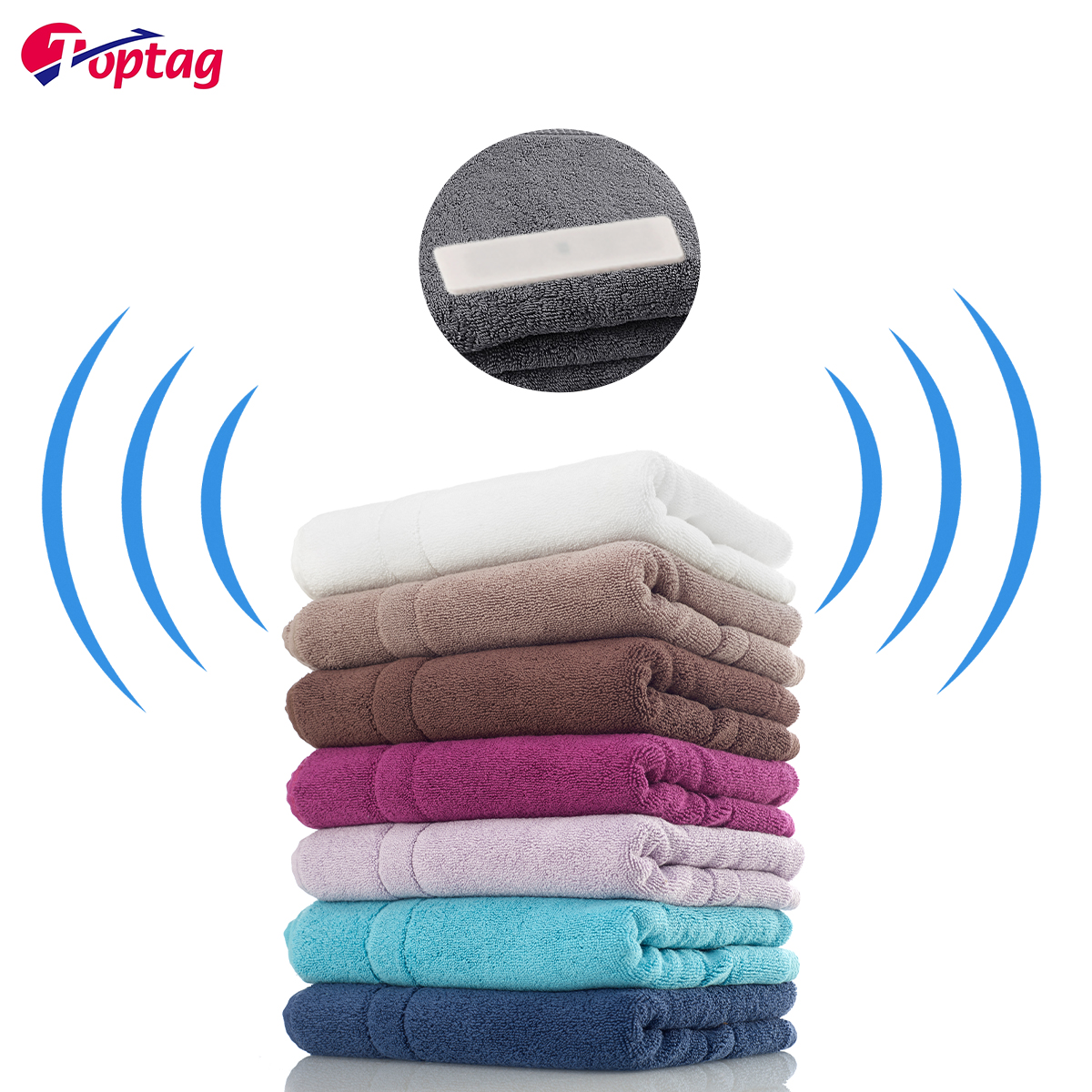
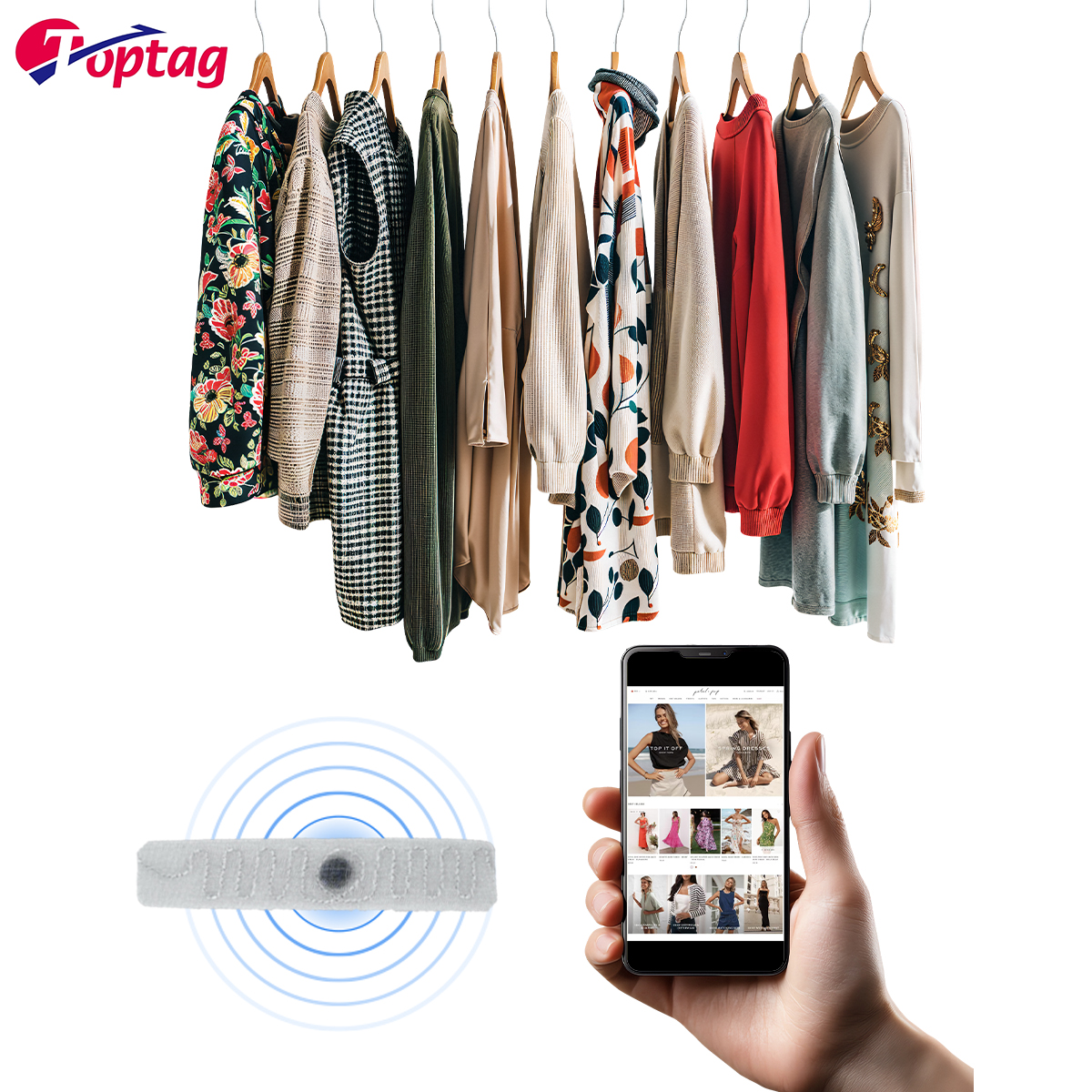
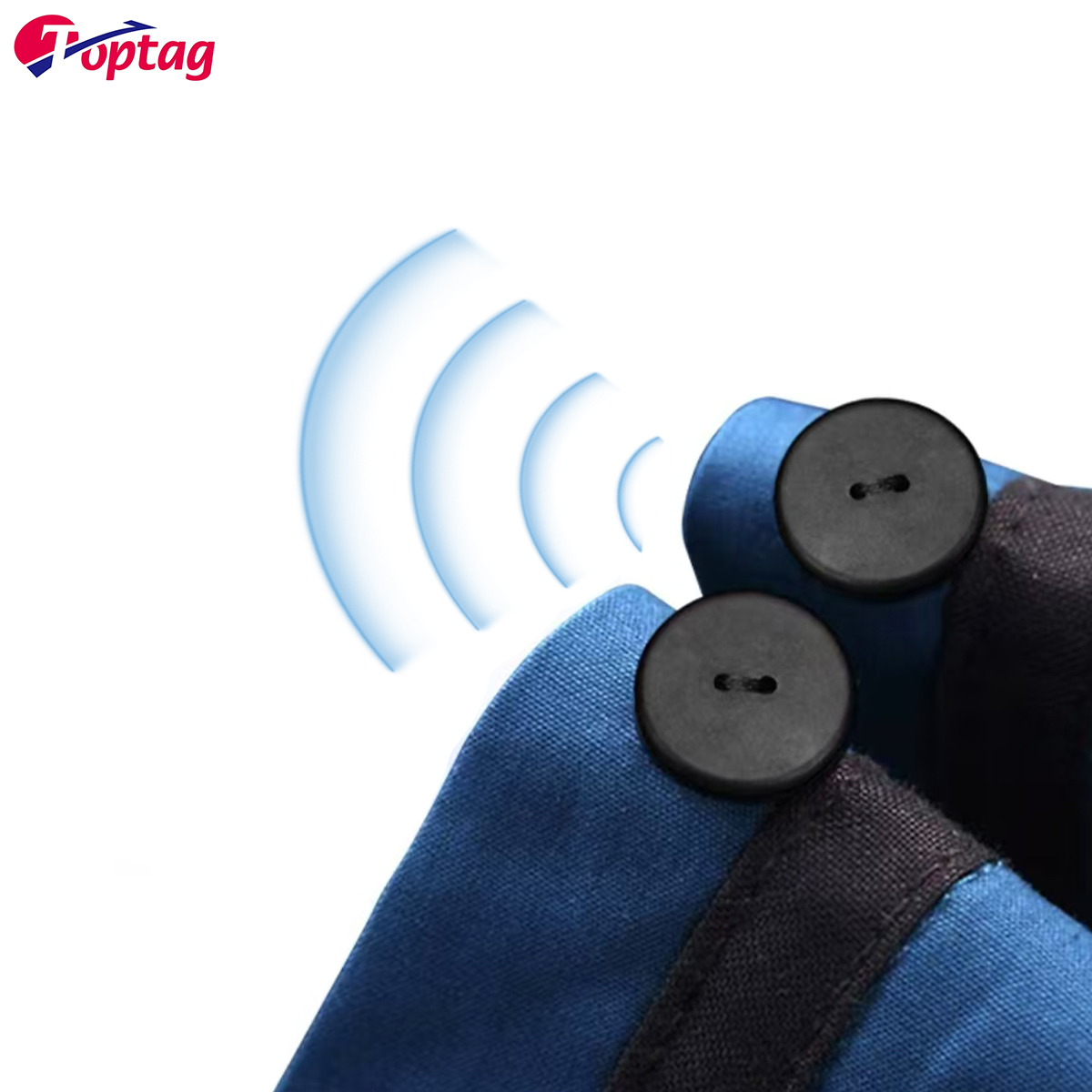
An RFID laundry tag is intended to enable accurate identification and tracking for garments and textiles that are frequently washed, sterilised, and handled. These RFID laundry tags come in silicone, woven, and PPS materials and are designed to survive water, detergents, high temperatures and multiple commercial laundry cycles. Laundry tags for clothes worn in severe conditions where durability and constant performance are required.
The key benefit of RFID laundry technology is complete textile lifecycle management. An RFID textile solution enables businesses to automate sorting, monitor wash counts, reduce losses, and maintain accurate inventory. Whether attached to an RFID cloth item or integrated as RFID clothing tags, these tags improve operational efficiency and product visibility. They also support retail inventory through RFID chip clothing technology, making RFID in clothes an effective solution for tracking garments from production to end use. Each tag on clothes helps simplify identification, while RFID garment tags enhance inventory accuracy and asset management. Unlike traditional security tags for clothing, normal RFID tags also store data for seamless tracking and process automation.
These tags are widely used in hotels and hospitality, healthcare laundry services, industrial uniform management, textile rental companies, premium garment rental, and apparel inventory management, where they improve garment traceability, streamline operations, and enhance inventory accuracy.
RFID Adhesive Sticker Tags
The sticker RFID tag provides an economical way of labeling items like products, cartons, documents, and even packaging solutions. The primary advantage here is the easy installation along with the efficient functioning of RFID, thus making it a good choice for massive identification operations that demand speed and effectiveness.
Chip RFID tag adhesive is widely applied to label products, warehouse inventories, cartons, logistics, documents, and packages.
Industrial RFID Tag Readers & Printers
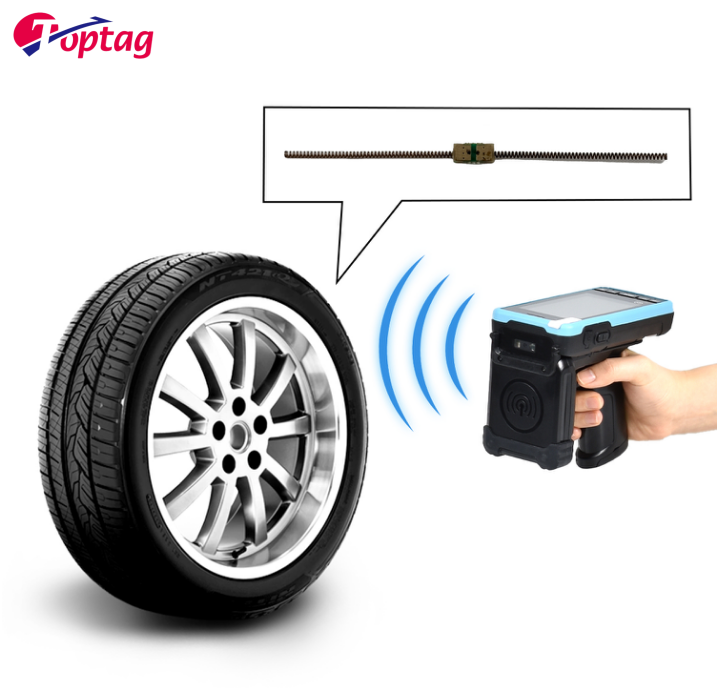
An industrial RFID tag reader captures data stored on RFID tags without physical contact, enabling fast identification of multiple assets simultaneously.
An industrial RFID tag printer is capable of printing and encoding RFID tags simultaneously. These printers are very popular in industries such as manufacturing, logistics, healthcare, and retail that need customised RFID labels to be printed.
Applications of Industrial RFID Tags
- Manufacturing & Production – Tracking parts through each stage
- Asset Tracking – Monitoring high-value equipment
- Warehouse & Logistics – Speeding up inventory checks
- Waste Management – Verifying disposal compliance
- Retail Inventory – Reducing stock discrepancies
- Laundry & Textile Management – Automating lifecycle tracking
- Metal Asset Tracking – Identifying assets without signal interference
How to Choose the Right Industrial RFID Tag
- Surface material – Metal surfaces require anti-metal or on-metal tags.
- Temperature exposure – High-heat environments call for ceramic or PPS-based tags.
- Moisture and chemical exposure – Waterproof tags prevent premature failure.
- Mounting method – Flat surfaces suit adhesive tags; curved or textile surfaces need flexible options.
Why Choose Top Tag Industrial RFID Tags?
Top Tag provides total customization in shape, materials, and frequencies so that the RFID tags fit into your setting, not the other way around. We can supply you with everything mentioned above and even more, as we have a variety of RFID tags in our catalogue.
Are you ready to enhance your asset monitoring system? Let's explore the best industrial RFID tag for your needs.
FAQs
What is an industrial RFID tag, and where is it used?
A rugged tag built to withstand heat, moisture, and impact, used across manufacturing, logistics, healthcare, retail, and waste management.
How does an industrial RFID tag reader work?
It emits radio waves that activate a nearby tag's chip and retrieve its data without contact. Readers can be handheld or fixed at checkpoints.
Which industrial RFID tag printer is best for printing RFID labels?
The best printer depends on your tag frequency and material.
What's the distinction between a ceramic RFID tag and an anti-metal RFID tag?
A ceramic tag is designed to withstand severe heat, whereas an anti-metal tag retains signal strength when attached to metal.
When should I use an RFID ceramic tag rather than a traditional RFID label?
Use one when your application requires intense heat, vibration, or conditions that would harm a regular plastic or paper label.
Are RFID tags for metal surfaces different than conventional RFID tags?
Yes. Regular tags lose signal strength near metal, however RFID metal tags have a substrate that absorbs interference.
What are the advantages of utilizing waterproof RFID tags outdoors?
They are resistant to moisture damage and remain dependable in storage yards and cold chain operations despite frequent rain or humidity exposure.
How are RFID gas cylinder tags used to track assets?
These retain details on when inspections were conducted, usage statistics, and the content inside, enabling facilities to have remote monitoring of their cylinders without violating compliance standards.
What kind of RFID tags are ideal for waste and recycling bins?
An indestructible and weather resistant bin tag constructed from material capable of enduring outside elements.
What is the purpose of RFID laundry tags when it comes to tracking textiles and garments?
It is capable of registering the number of wash cycles, sterilizations, and other information related to the garments.
What is the benefit of RFID clothing tags for managing stock in retail stores?
They allow the store owners to scan multiple objects at once, thus making inventory more efficient.
What are the differences between RFID adhesive sticker tags and hard RFID tags?
The sticker is a cheap and flat tag for lightweight uses, while the hard tag is designed for heavy-duty environments.